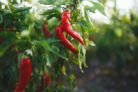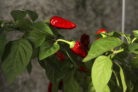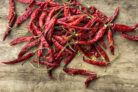
Chili peppers are a staple in many home gardens, but let’s be real—sometimes getting them to actually produce flowers can be a bit of a headache. If you’re looking to boost your harvest, there are a few clever tricks to encourage more blooms and ensure you’re swimming in peppers by the end of the season.
Flower Shape
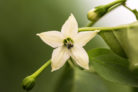
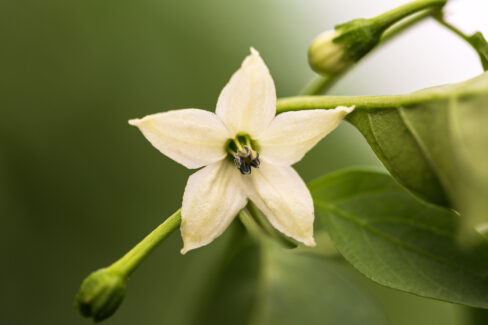
Chili plants belong to the nightshade family, so their flowers look pretty similar to their cousins like tomatoes or eggplants. Usually, you’ll see small, white, star-shaped flowers with six petals. While white is the standard, some ornamental or specialty varieties actually sprout really beautiful purple blooms.
Most of the time, these flowers hang downward. If things get a little crowded on the stem, they might point sideways or even upward. If you notice the flowers are getting too bunched up, it’s a good idea to pinch off a few individual blooms to give the others some breathing room.
The King Bloom
The very first flower your chili plant produces is known as the “King Bloom.” You’ll usually find it right in the first “Y” fork of the main stem. While it’s tempting to let it grow, most seasoned gardeners recommend pinching it off. Removing the King Bloom tells the plant to focus its energy on growing more branches and even more flowers later on, leading to a much bigger harvest overall.
Why Flowers Fall Off
It’s super frustrating when you see your chili flowers just dropping off the plant. Usually, this happens because the flower wasn’t pollinated. This is a common issue for indoor plants or peppers grown in greenhouses where there aren’t many natural pollinators buzzing around. Fewer pollinated flowers mean fewer peppers to harvest later.
While a few dropped flowers aren’t the end of the world, it does mean the plant wasted energy on a bloom that didn’t produce fruit. If you want to make sure every flower counts, you’ll want to attract more bees to your garden or take matters into your own hands.
Pollination
Even though chilis are technically self-pollinating, your yield will be much better if they have a little help. Bees and other beneficial insects are the pros here. However, if you’re planning on saving your own seeds for next year, you have to be careful about cross-pollination between different varieties.
The good news is that you can easily pollinate chilis yourself. Just grab a fine-tipped paintbrush and gently transfer pollen from one flower to another. It’s best to have at least two plants of the same variety to swap pollen between. If you’re feeling adventurous and want to breed your own hybrid varieties, it takes a bit more work—you’ll need to remove the pollen from a flower early on to prevent it from pollinating itself before you introduce the new pollen.