To pinch or not to pinch? That is the question! Pruning and “suckering” plants is always a hot topic among us garden geeks. When it comes to chili peppers, most folks just let them do their thing, but there are actually some pretty cool benefits to giving them a little trim now and then. And it’s not just about the stems—sometimes those early flowers have to go, too.
Removing the “Crown Bloom”
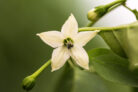
One of the most common tips you’ll hear is to remove the “crown bloom.” This is that very first flower the plant produces, usually right in the center of the first Y-shaped split of the branches. By pinching this flower off, you’re essentially telling the plant, “Hey, don’t worry about making babies just yet!”
See, once a plant grows a fruit, it feels like its job (reproduction via seeds) is done. If you remove that first bloom, the plant puts its energy back into growing more branches and even more flowers. Most experienced pepper growers find that this little trick actually leads to a much bigger harvest down the road.
Pruning Larger Plants
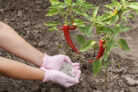
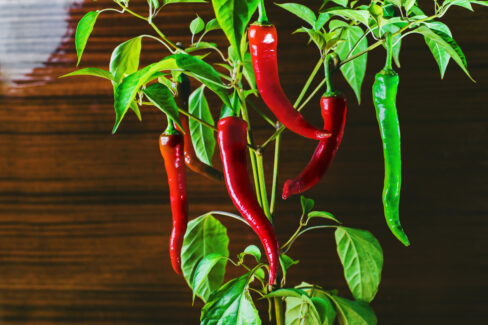
If you’re thinking about pruning the actual branches, wait until your chili plant is at least 15 to 16 inches tall. Of course, this doesn’t apply to dwarf varieties that naturally stay small. For those slower-growing or smaller chilies, you usually don’t need to prune at all. For them, just removing the crown bloom is enough to encourage a nice, bushy shape.
If your plant gets too dense, the leaves can actually block the sun from reaching the ripening peppers. In that case, you’ll want to thin out the shoots growing around the fruit. You don’t always have to remove the whole branch, either—just trimming them back usually does the trick. Pro tip: Make your cut at a slight angle about 1/8 inch above a bud.
Speeding Up the Ripening Process in the Fall
Once we hit late August or September, any new little shoots that pop up probably won’t have enough time to produce fully ripe peppers before the cold hits. That’s why I like to start pinching off new growth and late-season flowers around September—unless, of course, you’re perfectly happy harvesting green, unripe chilies.
Now, if you’re planning to overwinter your plants indoors, you don’t necessarily need to prune them in the fall. However, it’s still a good idea to pluck off a few leaves that might be shading your peppers. Getting that direct sunlight onto the fruit is key for ripening. This is super important because, unlike some other veggies, chilies don’t really “after-ripen” once they’re picked. They might change color on your counter, but the flavor and heat level stay exactly where they were when you clipped them off the vine!