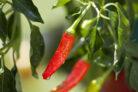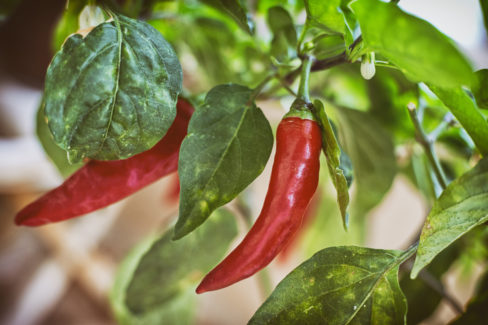
Peppers are generally pretty tough customers, and diseases are relatively rare. However, every now and then, things like fungi can sneak in and mess with your harvest—or ruin it entirely. The good news? With a few simple tricks, you can keep your plants happy and healthy.
Viral Diseases
There are quite a few viruses out there that love to target peppers. Most of these aren’t exclusive to chili peppers; they tend to affect the whole nightshade family (Solanaceae).
Common viral culprits include:
- Alfalfa Mosaic Virus
- Chili Veinal Mottle Virus
- Cucumber Mosaic Virus
- Pepper Mottle Virus
- Tobacco Etch Virus
- Potato Virus Y
Dealing with viruses in peppers can be a real headache because they’re tough to treat once they take hold. They’re often spread by pests like aphids, but “stress” from poor care can also make your plants more vulnerable. We’re talking about things like nutrient deficiencies or letting the soil get too soggy or bone-dry. If you spot a viral infection, the best move is to remove and dispose of the affected plants immediately to stop the spread to the rest of your garden.
Damping-Off
Damping-off is a fungal issue that mostly picks on the youngsters. You’ll see recently transplanted seedlings that look strong and healthy one day, and then suddenly, they just flop over. If you dig a little deeper into the soil, you’ll usually find a shriveled, “pinched” spot on the stem. That’s where the fungus has moved in, cutting off the plant’s nutrient supply and causing it to collapse.
When you plant your peppers, try to avoid overhead watering, especially with young seedlings. After thinning or transplanting, water sparingly and always from the bottom. A great tip is to set your pots in a tray of water so the soil can soak up exactly what it needs.
To prevent damping-off, you can also mix water-storing additives into your soil. These help manage moisture by absorbing the excess and releasing it slowly. For starting seeds and young plants, I highly recommend mixing some perlite into your potting soil—it works wonders for drainage and aeration.
Powdery Mildew
Every once in a while, peppers can get hit with powdery mildew. This usually happens to plants grown outdoors without any overhead protection. If you’re growing your own peppers, it’s a smart idea to provide some shelter from the rain. In particularly wet years, constant moisture on the leaves can lead to fungal infections and a much smaller harvest.
Another pro tip: avoid “showering” your plants when you water them. Always aim your watering can at the base of the plant near the soil to keep the foliage dry. Your peppers will thank you!