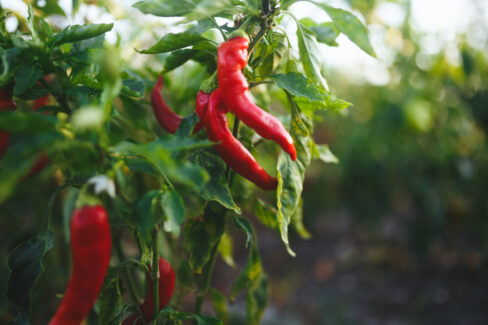
Chilis are definitely not for the impatient gardener! They grow pretty slowly—from the long germination period to the months it takes for a flower to turn into a ripe pepper, you’re in it for the long haul. But don’t worry; with a few pro tips and an early start, you can still look forward to a massive harvest.
Seeds
On average, chili seeds take about four weeks just to show their first seed leaves. While a few varieties might pop up sooner, some stubborn types can take up to six weeks. Because they take their sweet time germinating and growing, most of us start sowing indoors in February.
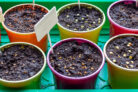
If you want to speed things up, here’s a little trick: soak your seeds in warm water for 24 hours before planting. This softens the outer shell, making it much easier for the sprout to break through. Once they’ve soaked, tuck them into the soil. Chilis are not light-germinating seeds, so you’ll want to cover them with about a quarter-inch (0.5 cm) of soil. Keep the soil consistently moist and try to maintain a cozy temperature of around 75°F (24°C).
Seedlings
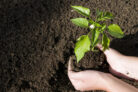
Once your seedlings have developed their first set of “true leaves” (the ones that come after the initial seed leaves), it’s time for pricking out and repotting. Be extra gentle here! Their root systems are still pretty delicate, and any damage can stunt their growth or even kill the plant.
After they’ve been moved to their own pots, keep them in a bright spot that’s a bit cooler. Aim for around 60°F (15°C). If it’s too warm, they’ll get “leggy”—growing tall and thin instead of becoming the sturdy, compact bushes we want.
Flowering
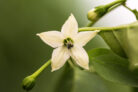
It can take three to four months just to see that first blossom. When it finally appears, many gardeners follow the same rule as with bell peppers: pinch it off. This first bud is often called the “king bloom.” By pinching off this early flower, you’re actually encouraging the plant to put its energy into growing more branches and even more flowers later on.
Fruit and Harvest
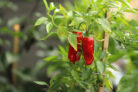
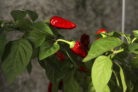
Once the flowers are pollinated, you’re looking at another four months until you have ripe fruit. Most chili varieties change color as they mature, so do a little research on your specific variety to find out when they hit their peak flavor.
When it’s finally time to pick, try to harvest on a warm, sunny day. That’s when the peppers will have the most intense aroma and kick!