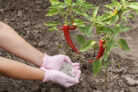
Chili peppers are naturally self-pollinating, but if you want to seriously boost your harvest, a little hands-on help goes a long way. Plus, getting involved in the pollination process is the secret sauce to breeding your own unique varieties!
Pollinators and Self-Pollination
Chili plants are pretty smart—they have a backup plan for everything. They produce nectar and pollen to attract helpers like bees, but if the bugs aren’t biting, the plant will self-pollinate to ensure it produces seeds for the next generation. This is especially common if you’re growing chilis in a greenhouse, where those helpful pollinators rarely find their way inside.
How to Hand-Pollinate Your Chilis
If you’re planning on harvesting your peppers and saving the seeds for next year, it’s a great idea to have at least two different plants of the same variety. Why? Because constant self-pollination over several generations can actually lead to smaller yields. It can also make your plants a bit “wimpier” when it comes to fighting off pests and diseases.
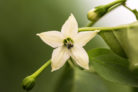
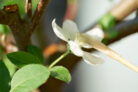
To play “the bee,” all you need is a small, soft paintbrush. Just swirl the brush inside the flowers to collect pollen and then gently dab it onto the stigmas (the center part) of other blooms. You’ll find that just by moving from flower to flower, you’re doing exactly what a bee would do—spreading the love and ensuring a great crop.
Breeding Your Own Varieties
If you’re feeling adventurous, you can actually cross-breed chilis to create something totally new. It takes a little precision, though! First, you need to “emasculate” the flower you want to pollinate before it opens. As soon as a bud looks like it’s about to pop, carefully remove the petals and the pollen-producing anthers. I highly recommend using tweezers for this so you don’t accidentally damage the delicate stigma.
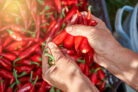
Once that’s done, take your paintbrush, grab some pollen from a different chili variety, and apply it to your prepared flower. Just a heads-up: breeding is a marathon, not a sprint. It can take years of selecting the best offspring to stabilize a brand-new, high-yielding variety. Make sure to label your cross-pollinated peppers clearly, and once they’re ripe, dry the seeds and store them in a cool, dark place for next season!