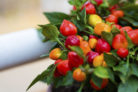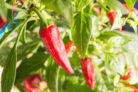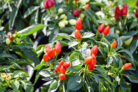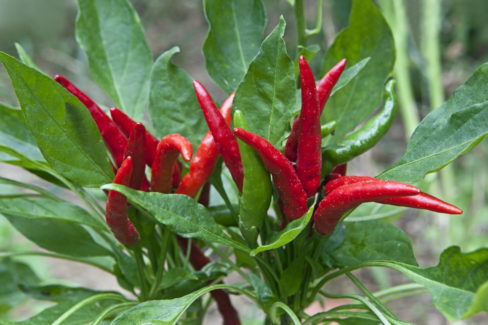
Most gardeners treat chili peppers as annuals, but here’s a little secret: these plants are actually perennials that can live for years! If you have the space to overwinter them, you’ll be rewarded with a much earlier harvest and way more peppers next season.
Growing in Pots
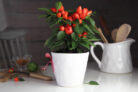
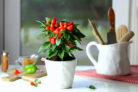
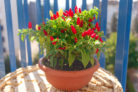
The easiest way to set yourself up for success is to grow your peppers in containers. You don’t even need a big backyard; peppers thrive on a sunny balcony and look just as beautiful as traditional ornamental plants.
Just keep in mind that pot-grown peppers need a little extra love during the growing season. Since they have limited soil, using a liquid fertilizer is the best way to keep them fed. Also, make sure to water them regularly—just be careful not to let them sit in soggy soil, as they hate “wet feet.”
The Fall Pruning Routine
If you’re lucky enough to have a heated sunroom or greenhouse, you can pretty much let your peppers grow year-round. But for the rest of us, we need to help the plant conserve energy for its winter nap in a cooler spot.
In the fall, it’s time for a good pruning. Cut the stems back by about two-thirds and remove any leftover fruit or leaves. If the plant tries to grow new flowers while in storage, pinch them off so the plant focuses on survival rather than reproduction. Once trimmed, move your peppers to a bright, frost-free room kept at around 50°F (10°C).
Winter Care and Maintenance
During the winter, your peppers are pretty low-maintenance. Keep the soil just slightly moist—never soaking wet—and skip the fertilizer entirely until spring. Every now and then, check your plants for any pests or diseases. If the environment is right, you usually won’t run into any trouble.
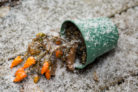
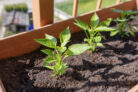
Around late March, you can move the plants back to a warmer spot. This is also the perfect time to repot them. Check the roots for any hidden pests (like grubs) and refresh the container with nutrient-rich potting soil to kickstart the new season.
Once mid-May hits and the threat of frost is gone, your peppers can head back outside. I recommend “hardening them off” by placing them outdoors during warm days a few weeks prior. This helps the leaves build up a natural defense against UV rays so they don’t get a nasty sunburn!