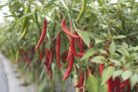
Peperoni peppers are actually a specific variety of the chili family, which means they share a lot of the same traits as your standard bell peppers. What sets them apart is that signature long, thick shape we all love. But of course, if you want to harvest those crunchy peppers, everything starts with the flowers.
Flower Formation
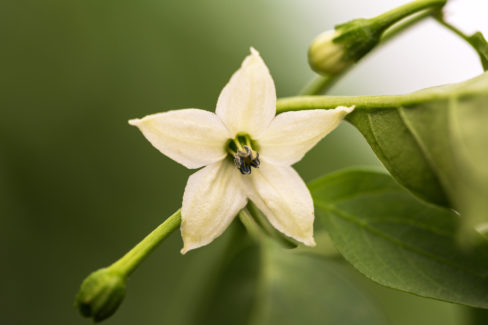
Since peperoni peppers belong to the nightshade family, you might notice their blossoms look a lot like potato flowers. These little bell-shaped blooms typically pop up in the leaf axils (the spot where the leaf meets the stem) and usually hang downward.
Generally, you’ll see the first flowers appearing around June. However, if you’ve overwintered your plants indoors, you might see blooms as early as mid-May. While we often treat them as annuals to save garden space, these plants are actually perennials. For varieties that take a long time to germinate and ripen, overwintering is a total game-changer.
Pollination
One of the best things about growing peperoni is that they aren’t strictly dependent on outside pollinators. They are self-pollinating, meaning one plant can do the job on its own. That said, cross-pollination usually leads to a much bigger harvest! If your plants are outdoors, local bees and insects will happily handle the heavy lifting for you.
If you’re growing your peperoni in pots on a high balcony or in a very sheltered spot, you might not get many winged visitors. In that case, you’ll want to step in and help out. Just take a fine paintbrush and gently dab the inside of the flowers once a week to ensure they get pollinated.
Boosting Your Yield
It’s simple math: no flowers, no fruit. But surprisingly, early flowering isn’t always a good thing. Many seasoned gardeners swear by removing the “king bloom”—that very first flower that appears in the fork of the stem. Pinching this off encourages the plant to put its energy into growing more branches and even more flowers later on.
You can also give your harvest a boost by pruning your pepper plants. By trimming back the shoots just a bit, you encourage the plant to branch out, creating more spots for fruit to grow.
One last pro-tip: starting in late August, go ahead and pinch off any new flowers. At that point in the season, those new blooms won’t have enough time to turn into ripe peppers anyway. By removing them, the plant can focus all its remaining energy on ripening the peppers that are already hanging on the vine!