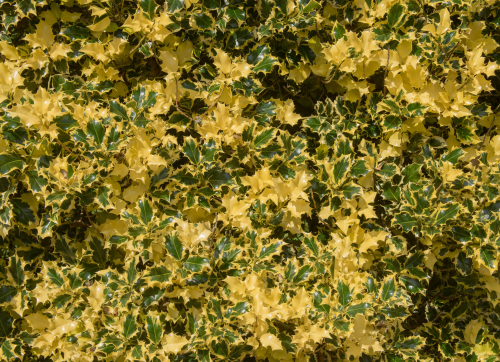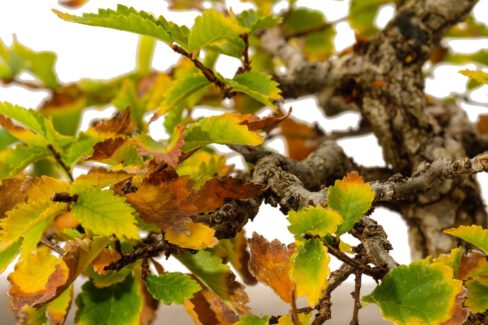
The lush, vibrant green foliage is definitely the crown jewel of any Chinese Elm. That’s why it’s so frustrating when those leaves start turning yellow! If you notice unusual changes in your tree’s canopy, it’s usually a distress signal that something is off. Let’s dive into why this happens and how you can fix it.
Yellow Leaves Usually Mean Chlorosis
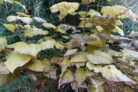
Sometimes, leaf changes are just part of nature—like when a tree drops its leaves as the weather gets chilly. However, if your Chinese Elm’s leaves are turning yellow out of season, it’s usually not a natural transition. Instead, it’s a sign that your tree isn’t getting the nutrients it needs, a condition known as chlorosis.
In the gardening world, chlorosis is the technical term for a nutrient deficiency. Specifically, yellowing leaves almost always point to a lack of iron. While making a mistake when pruning your Chinese Elm can cause some stress, it rarely leads to widespread yellowing.
Here are the most common culprits:
- The soil is naturally low in iron.
- You’re using a fertilizer that doesn’t have the right nutrient balance.
- Your tap water is too “hard” (contains too much calcium/lime).
How to Get Your Elm Back to Green
When troubleshooting your Chinese Elm, it’s important to distinguish between two different issues. First, there’s general leaf drop, where the Chinese Elm loses its leaves entirely. Second, there’s the yellowing of the leaves themselves. Only the yellowing is a direct symptom of chlorosis.
To fix the problem, you need to boost the iron levels in the soil. You can do this by switching to a high-quality iron-rich fertilizer. It’s also worth checking if there are “heavy feeder” plants nearby that might be stealing all the iron from the soil. Another great trick is adding a liquid iron supplement (like Ferramin) to your watering can.
Pro tip: Chinese Elms are sensitive to lime, so try to avoid hard tap water. If you can, switch to rainwater—your tree will thank you for it!