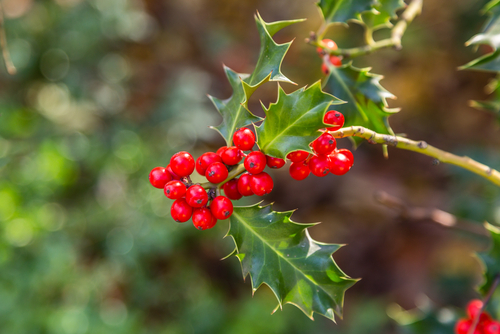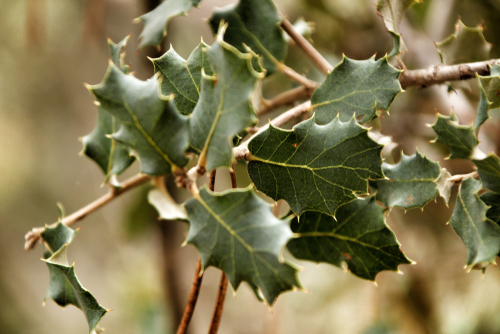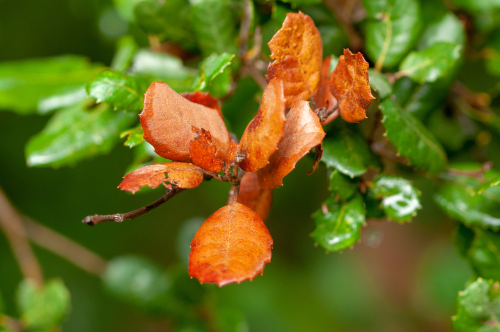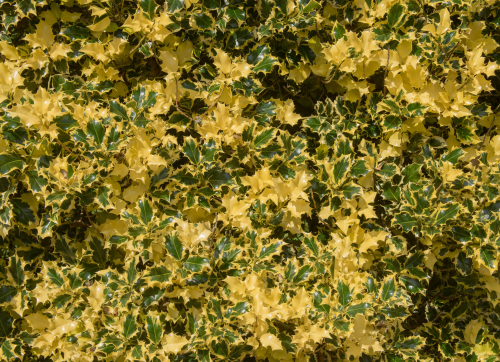
Hollies (Ilex) are a total staple in American landscapes, and for good reason! But if you notice those iconic leaves turning yellow, don’t just blame the changing seasons—remember, hollies are evergreens. Yellowing is usually a big red flag that your plant is feeling a bit stressed out.
Why Your Holly Leaves are Turning Yellow
Since hollies are generally tough-as-nails and pretty low-maintenance, yellow leaves aren’t usually caused by a scary disease. Most of the time, it comes down to a simple “oops” in the care routine. Usually, it’s a case of too much or too little H2O.
For starters, hollies absolutely hate “wet feet” (standing water). You’ve got to make sure they’re planted in well-draining soil. If you want to be extra safe, add some drainage material to the bottom of the hole before planting. And if you’re growing your holly in a container? Drainage is a non-negotiable must.
On the flip side, drought can also turn those leaves yellow. During those scorching summer months, you’ve got to give your hollies a good soak if the rain isn’t doing the job. When they get thirsty, they’ll drop leaves to try and save moisture. Don’t forget about winter, either! Hollies often dry out during cold snaps, so be sure to water them on days when the ground isn’t frozen.
The Secret Sauce for a Happy Holly
To keep your holly looking lush and green, keep these tips in mind:
- Pick a spot with full sun to partial shade.
- Keep the soil consistently moist.
- Avoid standing water at all costs.
- Don’t let the soil dry out completely for long periods.
- Keep an eye on the soil pH—they don’t like it too alkaline.
Yellow Leaves: Newbies vs. Old Timers
If you just put a new holly in the ground, give it some grace. They can take a while to get established, and the stress of transplanting often leads to some yellowing and leaf drop. Once it settles in, you’ll see that vibrant new growth take off.
With older, established hollies, you might notice some yellowing in the spring right as the new growth starts. Don’t panic! This is usually just Mother Nature doing her thing. The plant sheds its old, tired leaves to make room for the fresh new ones.
Dealing with Chlorosis
If your holly’s metabolism seems out of whack, it might be dealing with chlorosis. This happens when the soil pH is too high, messing with the plant’s ability to photosynthesize. The leaves turn yellow and start falling off. Your best bet is to grab a soil test kit from the garden center. If the pH is too high, you can fix it by adding iron fertilizer, Epsom salts, or a bit of peat moss to bring that acidity back where it belongs.