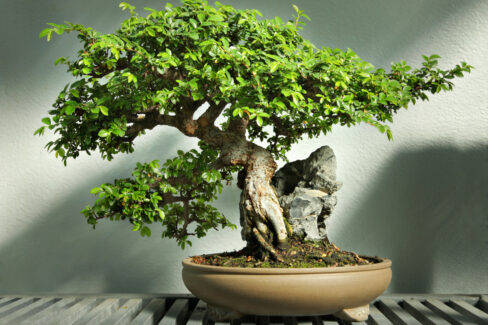
The Chinese Elm is a real winner in the garden—it’s not picky about soil, and honestly, it doesn’t demand much of your time when it comes to pruning. However, there are a few situations where grabbing your shears is a great idea. Here’s the lowdown on when and how to give your tree a little trim.
Does the Chinese Elm actually need pruning?
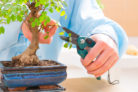
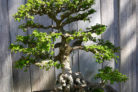
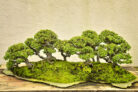
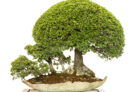
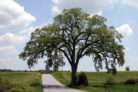
If you give it some basic love, a Chinese Elm naturally grows into a beautiful shape all on its own. Now, if you’re growing one as a bonsai, that’s a different story—you’ll need to prune regularly to create and keep that iconic miniature look. But for a tree growing freely in your yard? Pruning isn’t strictly mandatory, though it does come with some awesome perks.
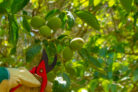
A good trim won’t hurt your Chinese Elm at all. In fact, it can actually jumpstart new growth and help the tree develop a much denser, lusher canopy. To get the best results, just make sure you’re doing it right: always use sharp tools and give them a quick soak in disinfectant before you start to keep things clean.
Here’s your quick toolkit for pruning:
- Sharp pruning shears or scissors
- Disinfectant (like rubbing alcohol)
- Gardening wire (if you’re looking to shape specific branches)
How to prune your Chinese Elm
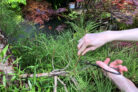
The best time to head out and prune is in the fall. This gives the tree a chance to recover and grow back steadily over the winter. When you’re cutting back new shoots, a good rule of thumb is to trim them down until only about two leaves remain. Over the following year, you can let those branches grow out another 4 inches or so. If you have a specific look in mind, you can use gardening wire to gently guide the shoots into the shape you want.
Every few years, it’s a smart move to thin out the crown. This prevents the top of the tree from getting too heavy and allows you to clear out any “rebel” branches growing in weird directions. Plus, thinning things out improves airflow, which keeps the tree healthy. One golden rule: only prune the branches. If your elm is planted in the ground, leave the roots alone! Damaging the root system can make it hard for the tree to soak up the nutrients it needs to thrive.