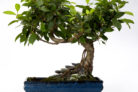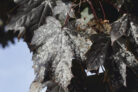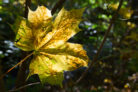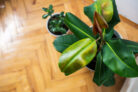
A plant’s leaves are basically a health report card. When they start dropping, it’s usually a sign that something is off with the plant itself or where it’s sitting. If your Chinese Elm is looking a little bare, don’t panic! Here’s the lowdown on why your Chinese Elm might be losing its leaves and how to fix it.
Is Leaf Loss Normal for a Chinese Elm?
The Chinese Elm is famous for its lush, beautifully shaped green foliage. Whether you’re growing one as a bonsai or letting it thrive in your yard, these trees are actually pretty low-maintenance. They’re tough enough to handle long heatwaves without drying out, and they don’t mind a long stretch of rainy weather, either. So, when a Chinese Elm starts dropping leaves, it can definitely be a bit confusing.
Here are the usual suspects behind leaf loss:
- The tree was recently moved to a new spot
- Pests or diseases
- Mistakes with watering or fertilizing
Troubleshooting Your Tree’s Leaf Loss
If you just brought your Chinese Elm home or moved it to a different part of the garden, losing some leaves is actually pretty normal. It’s just “moving stress”—the tree is adjusting to new light and temperature levels and drops a few leaves while it acclimates. While pests are a possibility, these trees are generally pretty hardy and don’t get sick very often.
If you notice leaves falling, try these quick fixes first:
- Give the plant a bit more water
- Make sure it’s getting enough bright light
- Use the right fertilizer and follow the instructions closely
If the soil gets too dry, the tree might drop leaves or you’ll notice the leaves turning yellow. This happens most often during hot, windy spells. Another common culprit is “fertilizer burn.” If you use a fertilizer with high salt content, it can actually pull moisture away from the roots. The tree reacts by shedding leaves to save energy. If you suspect this is the case, try switching to a gentler fertilizer. And hey, if you’re still stumped, it never hurts to check in with a local pro at a garden center!