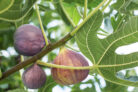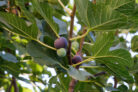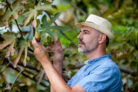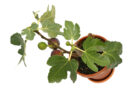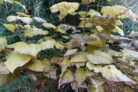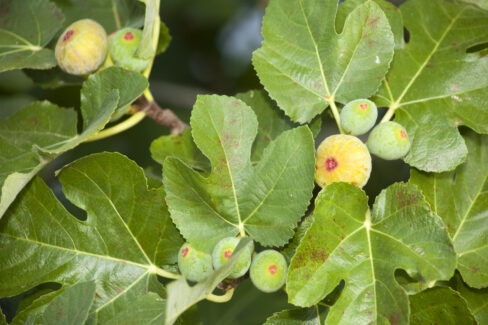
For the most part, fig trees are pretty low-maintenance additions to the garden. However, every now and then, you might notice your fig tree’s leaves starting to turn yellow. Don’t panic! Usually, this is just your plant’s way of telling you it needs a little change in its care routine, and it’s usually a quick fix.
Nutrient Deficiency
The most common culprit behind yellowing leaves is a lack of nutrients. More often than not, an iron deficiency is to blame. In the gardening world, we call this “chlorosis.” Basically, without enough iron, the tree can’t produce the green pigment (chlorophyll) it needs to stay vibrant.
The good news? You can easily prevent chlorosis with a regular feeding schedule. In the spring, give your tree a solid head start by mixing some compost or well-aged manure into the soil. As the growing season kicks into gear, you’ll want to feed your fig with a liquid fertilizer every three weeks. If your figs are planted directly in the ground, you can wait until you see the first blossoms before you start fertilizing. If you’re growing figs in containers, keep in mind they get hungry faster and should be fed starting in early spring.
Standing Water (Soggy Feet)
Too much water is another big reason why fig leaves turn yellow and eventually start falling off. “Soggy feet” can actually be fatal for a fig tree because constant moisture invites rot-causing bacteria that attack the root system.
To keep things well-drained for potted figs, always add a drainage layer of expanded clay pebbles or lava rock at the bottom of the pot. It also helps to mix a little bit of that drainage material directly into the potting soil to keep things airy and loose.
If you’re planting in the ground and your soil tends to hold onto water, you’ll need to create a drainage layer there, too. For outdoor planting, a mix of coarse gravel and sand usually does the trick best.
Compacted Soil
If your outdoor fig tree is struggling with yellow leaves, compacted soil might be the hidden enemy. When soil is packed too tight, it leads to drainage issues and prevents the roots from spreading out to find the nutrients they need. This is why trees in heavy, clay-like soil often look a bit stunted.
Fixing compacted soil can be tricky once the tree is already established without digging it back up. That’s why it’s so important to pick the right spot and prep the ground properly when planting your fig tree. If your tree is already in the ground, you can try working some sand into the top layer of soil. Adding a good layer of mulch also helps naturally loosen the soil over time while providing a nice boost of nutrients.