As a backyard gardener, there’s nothing quite like the pride of seeing your apple tree thrive—but there’s also nothing quite as stressful as noticing those leaves suddenly changing color. If your lush green canopy is starting to look a little off, don’t panic! I’ve done some digging to help you figure out exactly what’s going on with your tree.
Yellow Leaves? It Might Just Be Thirsty (Sort Of)
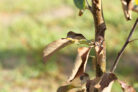
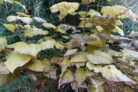
If you start seeing yellow leaves popping up in the spring or summer, it’s usually a sign that your apple tree is feeling the heat. The most common culprit? Stress from wild weather swings. This happens most often with younger trees whose root systems aren’t fully established yet.
Interestingly, it’s often a “transportation” issue rather than a lack of water in the dirt. The roots just can’t keep up with moving moisture and nutrients to the leaves fast enough during a heatwave.
What You Can Do About It
The best thing you can do here is actually… nothing! Once the weather stabilizes and the “shock” wears off, your apple tree will usually bounce back on its own.
Apple Rust: The Unwanted Fungus
Apple Rust is a common fungal disease that doesn’t just stop at apples—it loves pears, cherries, and peaches, too. As the name suggests, this illness is caused by rust fungi that spread like wildfire from tree to tree when the conditions are just right. If it’s humid and temperatures are sitting comfortably between 60°F and 75°F, the fungus is in its element.
How to Spot Apple Rust:
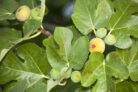
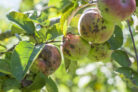
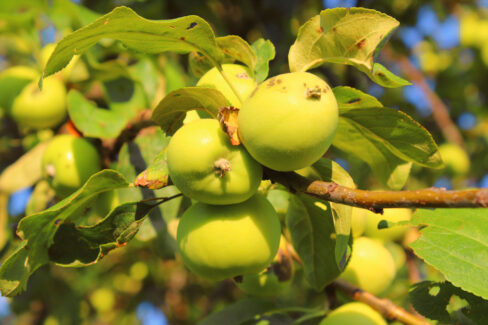
Keep an eye out for bright orange-yellow spots or pustules on the tops of the leaves. If you flip the leaf over, you’ll usually see the fungal spores hanging out on the underside. Once a tree is hit, the leaves tend to drop early, sometimes leaving your tree looking pretty bare right in the middle of summer.
Young Trees and Potted Plants are Extra Sensitive
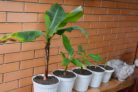
If you’re growing an apple tree in a container or you’ve just recently planted a sapling, you’re more likely to see yellowing leaves. Because their root systems are limited, they just don’t have the “muscle” to handle erratic weather yet. As your tree grows bigger and stronger, it’ll naturally become more resilient to these changes.
Give Your Tree a Nutritional Boost
A healthy apple tree is like a person with a strong immune system—it fights off diseases much better than a weak one. To keep yours in tip-top shape, make sure it’s getting enough nitrogen, potassium, phosphorus, and trace minerals.
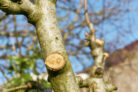
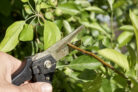
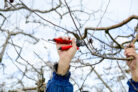
If your soil pH is out of whack, I definitely recommend amending the soil or adding some fertilizer. Just a heads-up: don’t go overboard! Too much fertilizer can actually do more harm than good. Finally, don’t forget that regular pruning and thinning out the branches helps the tree stay strong and improves airflow, which is a great way to keep those fungal diseases at bay.