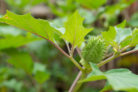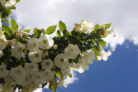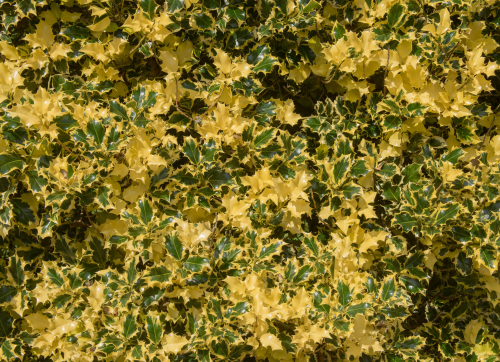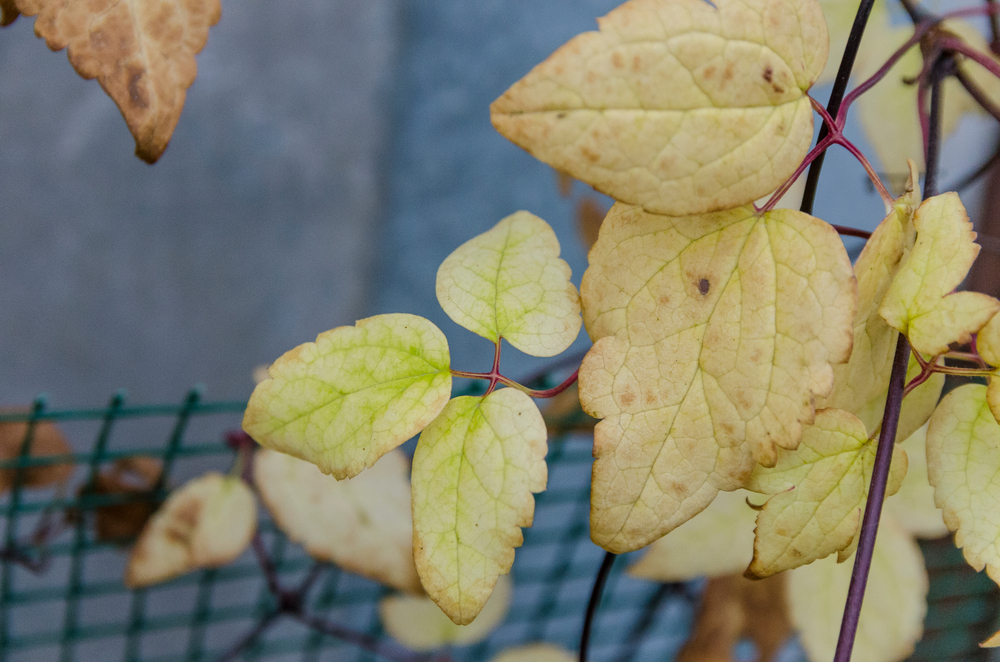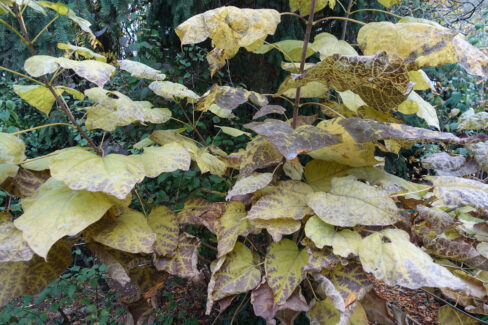
The Catalpa tree (or Trumpet Tree) is famous for those gorgeous, glossy green leaves. But if you notice your tree’s foliage starting to turn yellow and drop off, it’s definitely a sign that something is up. There are a few different reasons why your tree might be feeling under the weather.
Why Are My Catalpa Leaves Turning Yellow?
If your tree is losing its vibrant green color, it usually boils down to one of three things:
- Simple mistakes in your care routine,
- Nutrient deficiencies (Chlorosis),
- Or a more serious fungal infection called Verticillium wilt.
Yellow Leaves Due to Care Mistakes
While Catalpas aren’t exactly “divas,” they can be picky about their location and water. If they aren’t happy, they’ll let you know with yellow leaves. To keep them smiling, make sure they’re in a bright, sunny spot with soil that is loose, rich in nutrients, and drains well. You’ll want to water your tree regularly, especially during those scorching summer heatwaves. Just be careful not to overdo it—standing water leads to root rot, which is a one-way ticket to yellow foliage.
Yellow Leaves Due to Nutrient Deficiency
When a tree lacks the “vitamins” it needs, it develops a condition called chlorosis. This is basically the tree’s way of saying it’s hungry! You can prevent this by keeping up with a regular fertilizing schedule. If you’re using store-bought inorganic fertilizers, just be sure to follow the directions closely—too much of a good thing (over-fertilizing) can actually do more harm than good.
Yellow Leaves Caused by Verticillium Wilt
This one is the tough one. Verticillium wilt is a soil-borne fungus that enters through the roots and clogs up the tree’s “plumbing.” This cuts off the flow of water and nutrients, causing the leaves to turn yellow, wither, and fall off.
Unfortunately, you can’t just spray this fungus away with a fungicide. The best you can do is manage the symptoms. Try pruning back any affected branches well into the healthy wood. After pruning, your best bet is to transplant the tree to a fresh location with clean soil. If the tree continues to decline after that, the fungus may have taken too strong a hold to save it.