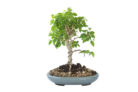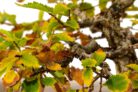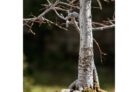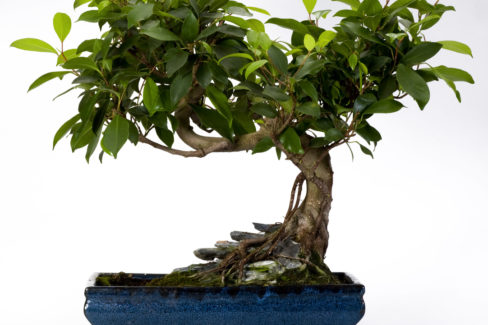
Privet (Ligustrum) isn’t actually a true evergreen, which means it’s totally normal for it to drop its leaves in the winter. However, if your Privet bonsai starts losing its foliage in the middle of summer, that’s usually a red flag that something is off with its care routine.
Natural Leaf Drop in Fall and Winter
Despite what many people think, privet isn’t a “forever green” plant. It’s natural for it to shed its leaves once the weather cools down in the fall and winter, so don’t panic—it’s just doing its thing! Some specific varieties, like *Ligustrum atrovirens*, are famous for keeping their green leaves much longer, sometimes well into the winter. These hardy types are actually some of the best choices for bonsai styling.
Why is my Bonsai losing leaves in the summer?
If your Privet bonsai starts dropping a noticeable amount of leaves during the summer, it’s usually a sign of “caregiver error.” The most common culprits are:
- Not enough light,
- Soil that is either bone-dry or waterlogged,
- Over-fertilizing, or
- (In rare cases) pests or diseases.
Location, Location, Location
Even in miniature form, a privet loves a bright spot. If you’re keeping your bonsai indoors, make sure it’s getting plenty of sunlight. If it’s stuck in a dark corner, it’ll start dropping leaves and looking pretty sparse. Also, try to pick a good spot and stick with it—frequently moving your tree around causes unnecessary stress.
Getting the Watering Just Right
The soil for your privet should be like a well-wrung sponge: not bone-dry, but not soaking wet either. Both extremes can cause leaf drop. The trick is to water regularly while making sure the pot drains well so the roots aren’t sitting in stagnant water.
Too Much of a Good Thing: Over-fertilizing
We all want our bonsai to grow lush and thick, so regular feeding is a great idea. Just be careful not to overdo it! Too much fertilizer can cause serious, sometimes permanent, damage to your tree’s root system, leading to—you guessed it—leaf loss.
Pests and Diseases
Every once in a while, diseases or pests might be the reason your privet is looking a bit bald. The good news? Healthy, vigorous privets are pretty resilient. In most cases, they’ll bounce back on their own and push out fresh, green growth on new shoots by the following summer.