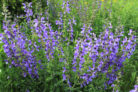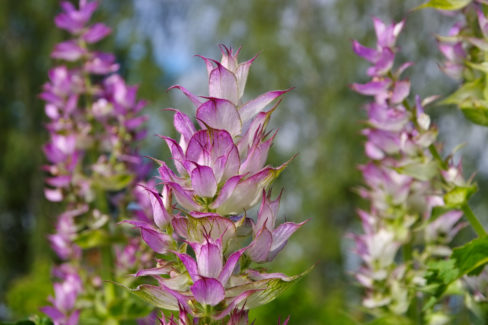
Clary sage originally hails from the Mediterranean, but its roots stretch all the way to Central Asia. If you want your clary sage to release that incredible, signature aroma, picking the right spot in your garden is key. Plus, where you plant it makes a huge difference in how well it handles the winter chill.
Is Clary Sage Cold-Hardy?
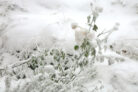
Even though it loves the warmth of its native regions, clary sage is surprisingly tough and can handle American winters quite well. Generally, it’s hardy down to about 5°F (minus 15°C). However, there are a few situations where it might need a little extra TLC:
- During extreme cold snaps
- If the plants are young and newly planted
- If you’re growing them in containers
Dealing with Harsh, Frosty Winters
In a cozy, sheltered spot, clary sage can usually breeze through temperatures as low as 5°F. But if you live somewhere with particularly long, brutal winters or deeper freezes, you’ll want to give your plants some extra protection.
Try covering the soil around the base with a thick layer of mulch—think brushwood, compost, fallen leaves, or garden clippings. This doesn’t just insulate the roots against deep ground frost; it also helps keep moisture levels steady and provides a slow, natural boost of nutrients.
Caring for Young Plants
If you’ve just put young plants in the ground this year, definitely give them some winter protection. It usually takes until their second year for them to build up enough natural resilience to handle the cold on their own.
Potted Clary Sage
If you’re growing clary sage in pots, you’ll need to be a bit more careful. Since there’s less soil to insulate them, the roots are much more vulnerable to freezing.
If it’s just a light frost, you can place the pot on an insulating base like wood or Styrofoam to block the rising cold. Wrapping the pot and the plant in garden fleece or burlap also helps. However, your best bet is to move the pot indoors for the winter—a sunroom, a dry basement, or even a garage works great.
Winter Maintenance Tips
One thing to remember: don’t let your clary sage roots dry out completely during the winter months. This is especially important for potted plants. Give them a drink regularly, but don’t overdo it—you want the soil moist, not soggy, to avoid root rot.