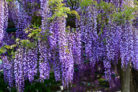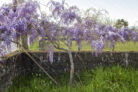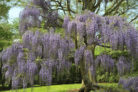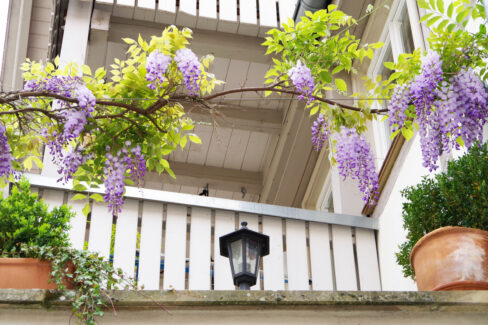
While Wisteria truly shines when it has free rein in a garden, you don’t need a massive backyard to enjoy its stunning blooms. You can actually grow a smaller version of this beauty right in a container! Growing Wisteria in a pot is a popular choice for patios and balconies, but there are a few tricks to keeping it happy. Here’s everything you need to know to get started.
Tips for Planting Wisteria in Containers
Just like its garden-grown cousins, Wisteria craves plenty of sunlight when living in a pot. Not only does the sun fuel its growth, but it’s also the secret ingredient for those gorgeous flower clusters. Keep in mind that this plant is a natural climber and will always reach for the light. Unless you’re training your Wisteria as a standalone “standard” (tree-form), you’ll definitely want to provide a sturdy trellis or support for it to grab onto.
Choosing the right pot is key. You’ll need a large, heavy container with a drainage hole at the bottom to let excess water escape. Pro tip: Place a piece of broken pottery (a “crock”) over the hole before adding soil; this keeps the dirt from clogging the drainage. For the soil itself, go with a nutrient-rich mix of potting soil and sand to ensure good structure and drainage.
Quick Checklist for Success:
- Pot your plant in the spring once the threat of frost has passed.
- If it gets chilly, young Wisteria plants need to be moved indoors for their first few winters.
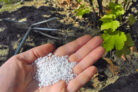
- Use an organic fertilizer or a low-nitrogen, slow-release formula to encourage blooms rather than just leaves.
How to Care for Your Potted Wisteria
Once your Wisteria is settled in its new home, give it a good, deep soak. Since potted plants dry out faster, you’ll need to keep a close eye on moisture levels, especially while the roots are still getting established. Regular watering is a must, but be careful not to let the plant sit in soggy soil—nobody likes root rot!
Pruning is arguably the most important part of caring for a potted Wisteria. These plants bloom on “old wood” (spurs from previous seasons). If you let the vines grow wild without trimming them back, you’ll end up with a lot of green leaves but very few flowers. Make sure to give it a proper structural prune to encourage those flower buds. Finally, remember that young plants aren’t fully hardy yet. Be sure to take the necessary steps for overwintering to protect your plant during its first two years.