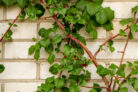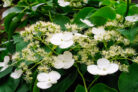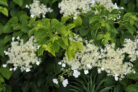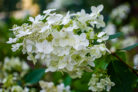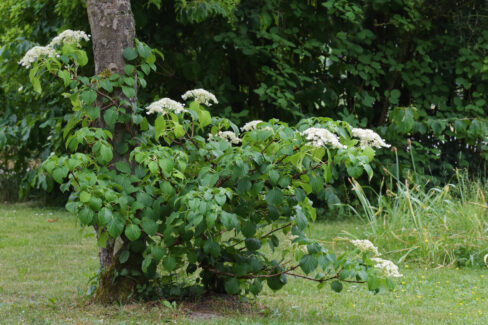
Climbing hydrangeas are true vertical artists! Using their clever aerial rootlets, they can scale walls, fences, or trees with ease. The best part? Unlike some aggressive vines, these hydrangeas are gentle climbers. They won’t force their way under your roof tiles or wedge themselves into tiny cracks, making them the perfect choice for adding a lush, green touch to those bare or unsightly spots in your yard.
I’ve put together a quick FAQ covering everything you need to know to get your climbing hydrangea off to a great start:
How do I plant a climbing hydrangea?
- Start by digging a hole that’s about two-thirds the size of your hydrangea’s root ball.
- Use a garden fork to loosen up the soil at the bottom and sides of the hole so the roots can spread easily.
- Give the hole a good soak with water before you put the plant in.
- Mix your excavated soil with some well-aged compost, peat moss, or horn meal to give it a nutrient boost.
- Place the root ball in the hole, fill it back in, and gently but firmly tamp down the soil with your foot.
- Finish up by giving your new plant a generous drink of water.
What’s the best spot for them?
One of the reasons I love climbing hydrangeas is how low-maintenance they are. They’ll grow in full sun, partial shade, or even full shade. However, they really hit their stride in “bright shade”—spots that get plenty of light but not direct, scorching midday sun. Just a heads-up: keep the root area of young plants shaded and protected from the sun for the first few years while they get established.
When is the best time to plant?
Early spring is generally the “sweet spot” for planting. However, since you’ll almost always find these sold as container plants, you can technically plant them anytime during the growing season. If you’re planning on growing a climbing hydrangea in a pot, just make sure to wait for a warm, frost-free day to move your young plant outdoors.
What kind of soil do they like?
These hydrangeas aren’t too picky as long as the soil is loose and drains well. They do have a preference for slightly acidic soil (aim for a pH above 5.0). In the right soil, most varieties will reward you with a beautiful burst of color from June through July.
Can I transplant a climbing hydrangea?
If your hydrangea has been in its current spot for less than five years, you can transplant it without much trouble. To prep the plant, it’s a good idea to “root prune” it the summer before the move by cutting a circle around the roots with a spade. This encourages the plant to grow new, fine feeder roots, which will help it settle into its new home much faster!