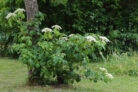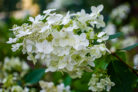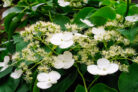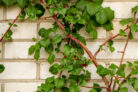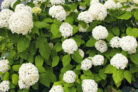
Climbing hydrangeas are a total superstar in the gardening world. They’re one of the few climbers that are just as happy scaling a shady north-facing wall as they are soaking up the full sun, which is why so many gardeners love them. Once they get established after a few years, they’re incredibly sturdy and low-maintenance. If you want to spread that lush, green look around your yard, here’s the best way to propagate them yourself.
Step 1: Timing is Everything
To give your new plants the best start in life, you need to time your cuttings right. The sweet spot for climbing hydrangeas is during the summer, specifically between July and August. Since these beauties usually bloom in June and July, you’ll want to wait until the flowering phase is totally over before you start taking your cuttings. This gives the new shoots enough time to mature properly.
Step 2: Choosing and Prepping Your Cuttings
The most reliable way to grow new climbing hydrangeas is by using “tip cuttings.” These are the ends of semi-woody side shoots, ideally from this year’s growth. When picking a shoot, look for one that hasn’t flowered and doesn’t have any buds. Flowering takes a lot of energy, and you want the cutting to focus all its strength on growing roots instead.
To prep your cutting, find a healthy side shoot and cut off about 4 to 6 inches using a sharp, clean knife. Make your cut just below a leaf node (that little bump where leaves grow). Strip off the lower leaves so the cutting doesn’t lose too much moisture through evaporation, but leave two or three leaves at the very top to keep the plant fueled.
Step 3: Planting and Aftercare
When you’re ready to plant, try to keep the cut surface at a slight angle—this makes it easier for the young shoot to take up water. If you want to give it an extra boost, you can dip the end in some rooting hormone to encourage those first little roots to sprout. Then, plant your cuttings in a well-draining mix of peat and sand.
Place your pot in a bright spot, but keep it out of direct sunlight for now. Over the next few weeks, make sure to keep the soil consistently moist. Since these “babies” are still pretty delicate, they shouldn’t spend their first winter outside. Move the pot to a frost-free, bright indoor spot during the cold winter months.
Pro tip: Once the threat of spring frost has passed (usually around May), your young climbing hydrangea will be ready to be transplanted to its permanent home in your garden!