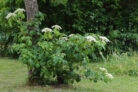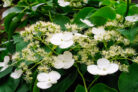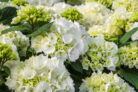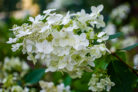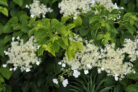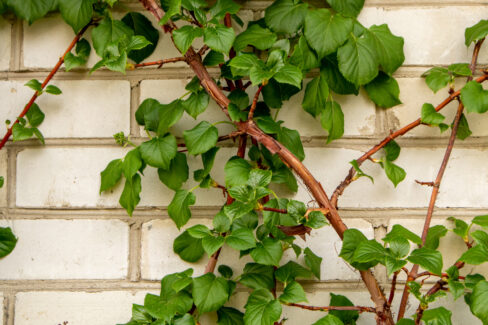
Climbing hydrangeas are hardworking climbers originally from Japan and Korea, and they’ve become a real favorite for adding a touch of charm to garden walls and facades here at home. These beauties can reach heights of up to thirty feet, and the best part? They’re incredibly low-maintenance, especially when it comes to where you plant them. Generally speaking, these climbers are tough enough to handle our winters without breaking a sweat.
Climbing Hydrangeas: Winter-Hardy Wonders
Most climbing hydrangeas drop their leaves when the cold hits. While there are some newer evergreen varieties hitting the market, the classic deciduous types are still the stars of the show in my book. Why? Because they put on a spectacular autumn performance, turning their deep green summer foliage into a brilliant, glowing gold.
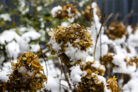
Even after the leaves fall, the gnarled, reddish-brown stems look rustic and decorative against a trellis or wall all winter long. These plants are very winter-hardy and can easily handle sub-zero temperatures. In fact, the main plant can usually survive dips down to -5°F (-20°C) without any damage. The only thing you really need to watch out for is the root zone; a thick layer of bark mulch is a lifesaver for protecting those sensitive roots from deep frost.
Watch Out for Late Spring Frosts
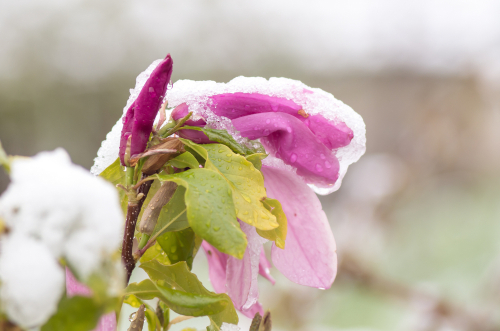
Typically, climbing hydrangeas bloom on new growth rather than old wood, which usually means you don’t have to worry about losing your flowers to a late frost. However, young shoots can be a bit vulnerable—especially if they are planted in a south-facing spot. The warm early-season sun can trick the plant into waking up too soon.
When those tender new shoots face a massive temperature swing between a sunny day and a freezing night, they can get zapped. In these cases, a little extra winter protection goes a long way. Also, don’t forget that your hydrangea can get thirsty in the winter, too! This is especially true for hydrangeas in containers. Just make sure you only give them a drink on days when the ground isn’t frozen.
Winter Protection for Young Plants
If you’ve got a freshly planted or young climbing hydrangea, you’ll want to give it some extra TLC during its first two winters. Their root systems aren’t fully established yet, making them just as sensitive to frost as potted plants. You don’t need to bring them into the basement or garage, though—they’ll be fine outside with the right prep.
Simply mulch the base of the plant heavily with leaves, straw, brushwood, or bark mulch. For the climbing vines, you can drape a burlap sack over them or use reed mats to shield them from the biting wind and frost. Your hydrangeas will thank you when spring rolls around!