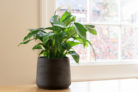
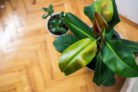
With its gorgeous, glossy leaves and sturdy shape, the Clusia is a real showstopper—even if you’re the type who occasionally forgets to water. It’s widely known as one of the most low-maintenance houseplants out there. However, even the toughest plants have their limits, and the Clusia (also known as the Autograph Tree) will let you know it’s unhappy by developing brown spots.
Why is my Clusia getting brown spots?
The most common culprit behind those brown spots is actually too much sun. This plant isn’t a fan of direct sunlight, especially during the harsh midday hours. Beyond sunburn, these spots can also be a sign of pests, disease, or even dehydration.
Where do these spots usually appear?
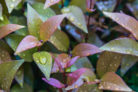
You’ll see the spots forming on the leaves of your Clusia rosea. They don’t always start out brown, either. Keep an eye out for yellow patches first—these are often the early warning signs before the tissue turns brown and crispy.
How does the wrong location affect my Clusia?
If your Clusia is sitting in a spot where it’s getting hit by intense, direct sun, it’s likely suffering from sunburn. Those brown spots are essentially scorched leaf tissue caused by the high UV exposure.
What should I do if I see brown spots?
If the sun is the problem, it’s time for a move! The ideal spot for a Clusia is near an east- or north-facing window where the light is bright but indirect. In fact, bedrooms are often perfect for the Autograph Tree. If you only have south- or west-facing windows, just make sure to pull a sheer curtain during the afternoon to shield your plant from those intense rays.
Could my plant be sick?
While it’s possible that a disease is causing the discoloration, Clusias are incredibly resilient and rarely get sick. The most likely “illness” would be root rot—a fungal issue that happens when the plant sits in soggy soil for too long. This is a common houseplant problem that usually stems from overwatering.
Which pests cause brown spots on a Clusia?
Pests like thrips and scale insects can leave their mark as brown spots. Take a close look at the undersides of the leaves. Do you see tiny, white, worm-like bugs? Those are thrips. If you notice raised brown bumps and sticky residue on the leaves, you’re likely dealing with scale insects.
How can I keep my Clusia healthy and spot-free?
Prevention is the best medicine! You can strengthen your plant by keeping the humidity high—give it a nice misting with water every now and then. This is especially important in the winter when indoor heaters dry out the air. Make sure to water regularly to avoid dehydration, but always check the bottom of your decorative pot; if there’s standing water, dump it out immediately to prevent “wet feet.” Finally, don’t forget to give your Clusia a little boost with regular fertilizer during the growing season.
Pro Tip: Watch out for Sooty Mold
Sometimes those brown spots are actually “sooty mold.” This fungus usually hitches a ride on a pest infestation (like scale or mealybugs) because it grows on the sticky honeydew the bugs leave behind. The good news? You can usually just wipe it right off with a damp cloth!