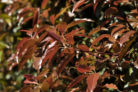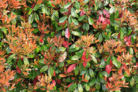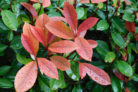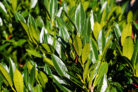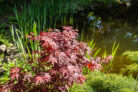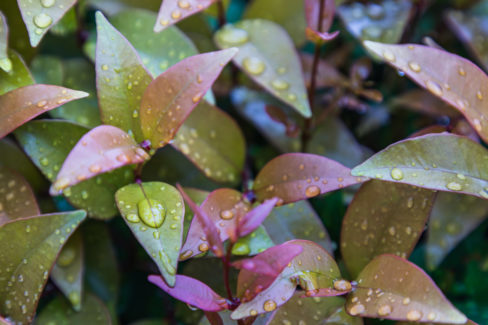
Whether it’s that gorgeous red flush in the spring or the deep hues of autumn, Photinia (Red Tip Photinia) is a total showstopper in any backyard. But if you start noticing brown spots on those glossy leaves, it’s definitely time to pay attention. Those spots aren’t part of the aesthetic, and they usually mean your plant is trying to tell you something.
What’s causing those brown spots?
Brown spots on a Photinia can pop up for a bunch of different reasons. Some are pretty easy fixes, like thirst or a bit of sunburn. However, if you’re dealing with pests or a plant disease, you’ll want to jump into action pretty quickly.
Sometimes, it’s just about location, location, location. Photinias love a spot that’s sheltered from harsh winds and doesn’t get blasted by punishing direct sun all day long. If you’re growing your Photinia in a container, keep an eye on how you’re overwintering it. Brown leaves often happen if the winter storage is too warm; they prefer a spot that’s frost-free but still nice and chilly.
Quick checklist of possible causes:
- Not enough water
- Sunburn
- Bad planting location
- For potted plants: Winter quarters are too warm
- Various plant diseases
- Pest infestations
How can I help my Photinia bounce back?
If your plant is just thirsty, that’s an easy win. A good soak will usually do the trick. But if the location is the problem—maybe the soil stays bone-dry, it’s too windy, or the sun is scorching the leaves—you might need to consider transplanting it to a happier home.
If you spot aphids or other creepy-crawlies, try reaching for home remedies first. Beneficial insects like ladybugs, lacewings, or parasitic wasps are great natural bodyguards for your garden. You can also plant fragrant herbs like sage, thyme, or rosemary nearby to help keep those aphids away.
Is Photinia prone to getting sick?
You’ll often hear that Photinia is “tough as nails,” but that’s not the whole story. There is one highly infectious disease you really need to watch out for: Fire Blight. It can be devastating. Young plants rarely survive an infection, and for older shrubs, your best bet is a very aggressive pruning to cut out the infected areas.
pro tip: Try using horsetail extract or tea! It’s a fantastic natural tonic that strengthens the plant’s “immune system” and helps ward off pests.