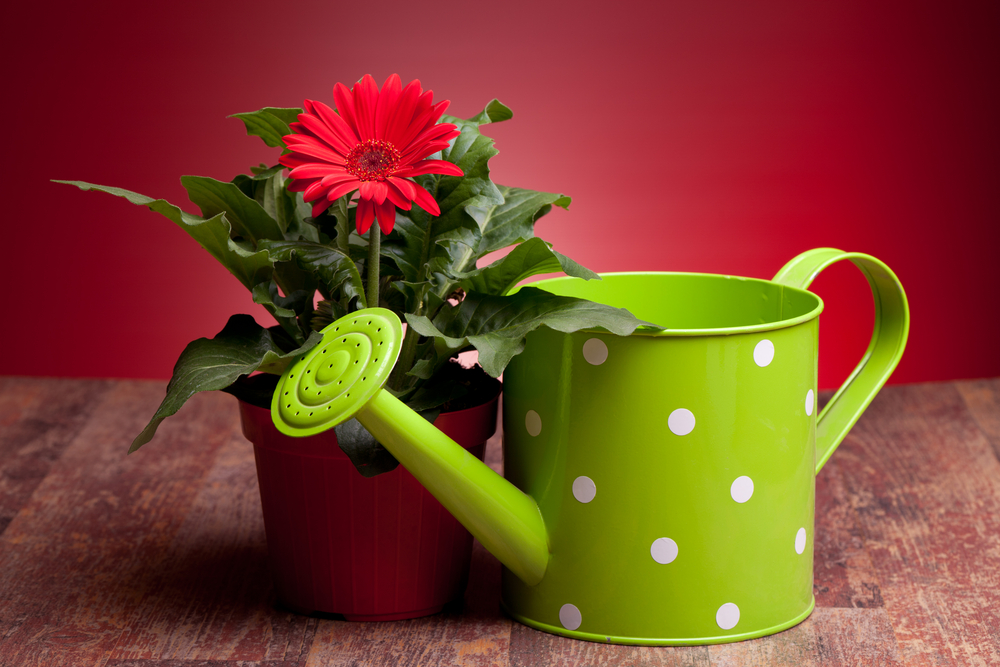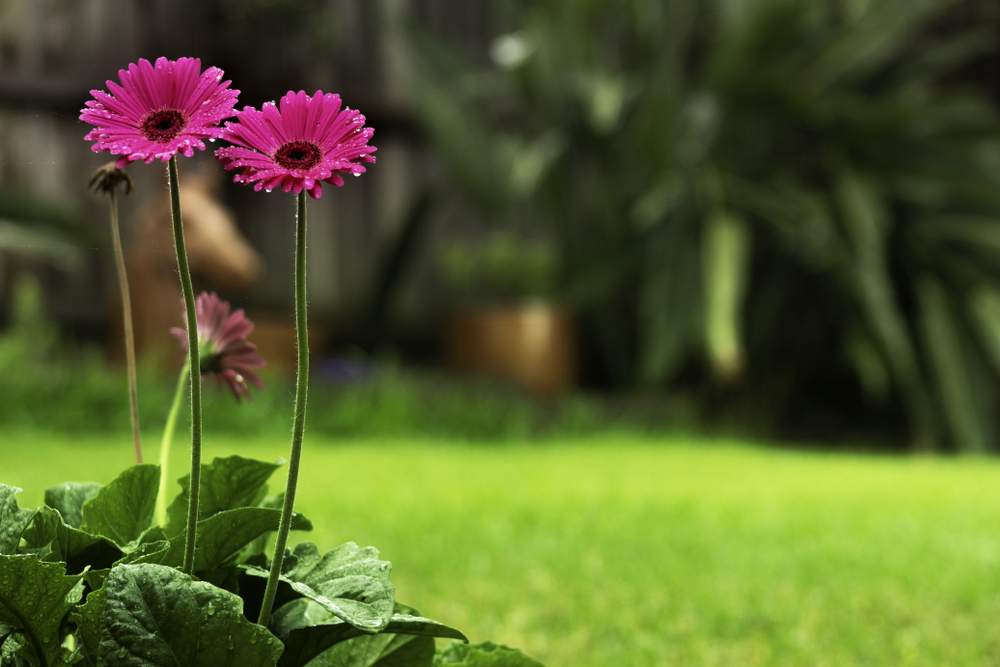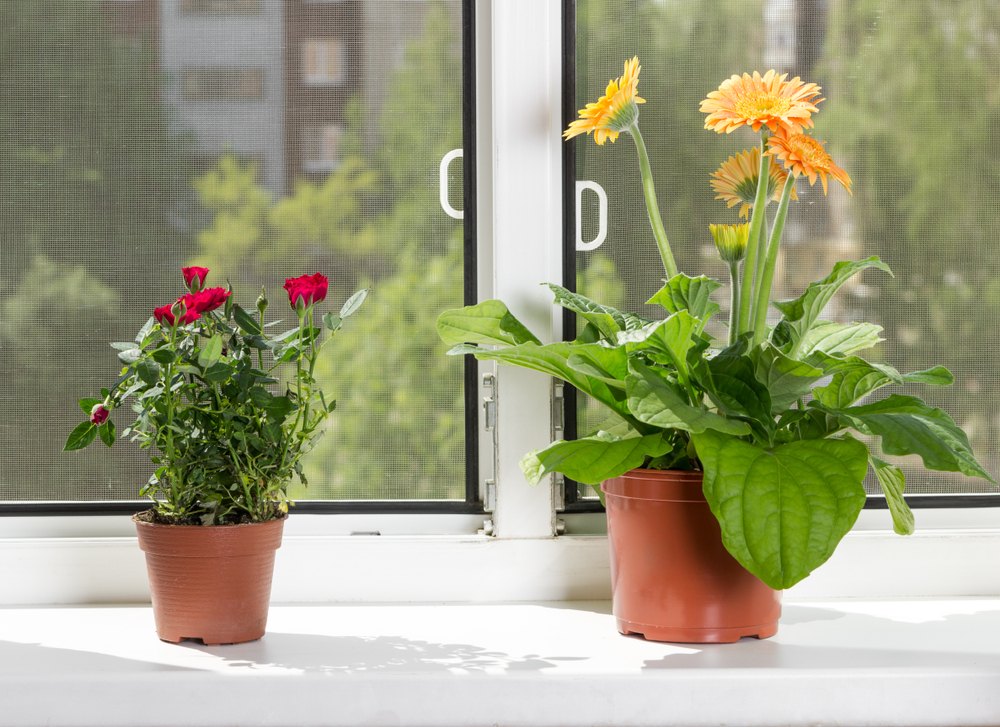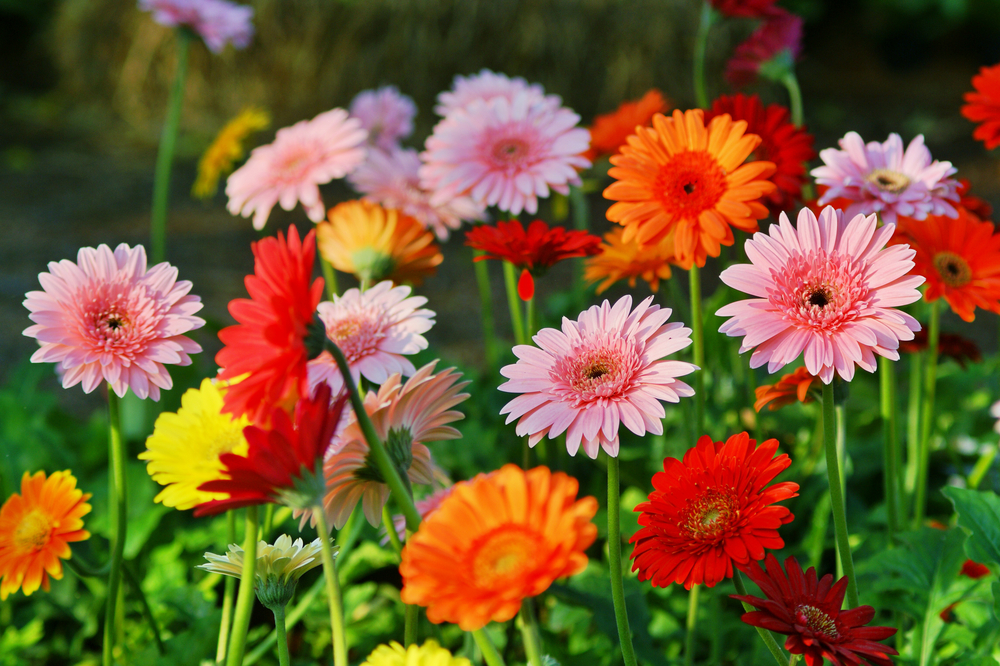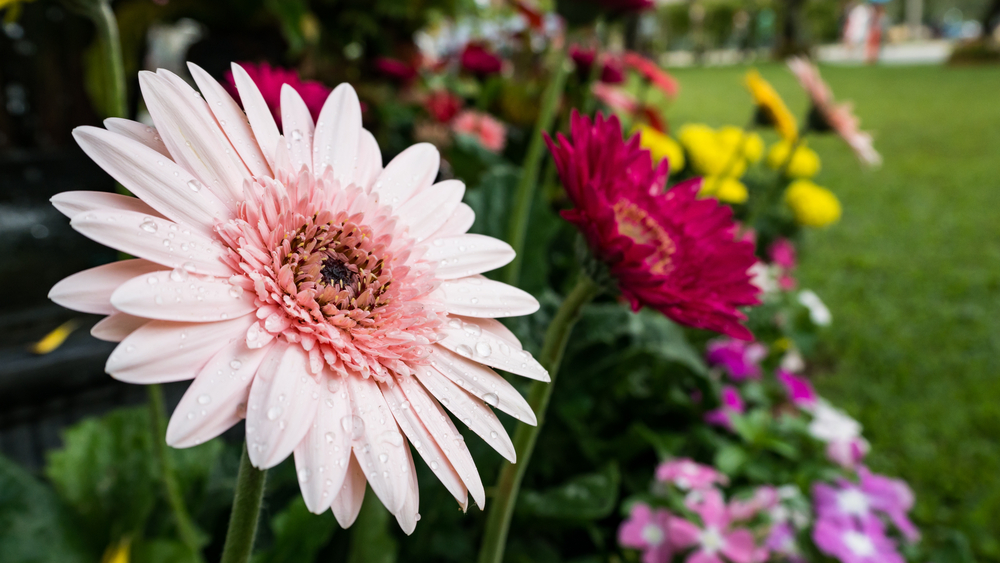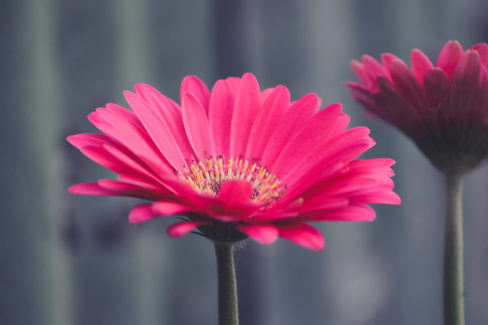
With their vibrant colors and cheerful vibes, gerberas are a total showstopper whether they’re brightening up your flower bed or sitting on your coffee table. If you want your gerberas to keep pumping out those gorgeous blooms all through the warm season, there’s one golden rule: you’ve got to keep those garden shears handy!
Don’t Wait to Deadhead
Whether you’ve got your gerberas growing indoors or outside in the garden, you’ll want to snip off those faded flowers as soon as they start to wither. This is called deadheading, and it’s the best way to tell the plant, “Hey, stop making seeds and start making more buds!” If you leave those old stems hanging around too long, the plant puts its energy into the old growth instead of giving you new flowers.
Where to Make the Cut
When you’re trimming back those stems, don’t just snip the top off. You want to cut as deep as possible, leaving only about an inch (three centimeters) of the stem behind. That little stump will eventually dry up and shrink back, making plenty of room for fresh new shoots to push through. It’s also a great idea to give your gerberas a good haircut before moving them from the garden or balcony into their winter home. A solid prune helps the plant rest and recharge so it’s ready to pop back up in the spring.
Tips for the Vase
We don’t just cut gerberas to help them grow; they are also one of the most popular cut flowers for bouquets! To keep them looking fresh in a vase for as long as possible, give the stems a sharp, diagonal trim. Re-cutting the ends at an angle every two or three days ensures they can “drink” plenty of water and stay perky.
The Right Tools for the Job
No matter why you’re pruning, always make sure your scissors or garden shears are sharp and clean. Using dirty tools is a quick way to spread bacteria or rot to your plants.
To keep your gerberas happy, just remember these quick tips:
- Remove faded blooms right away to encourage new growth.
- Cut stems low, leaving only about an inch of a stump.
- Give them a major prune before overwintering.
- Always use clean, sharp tools to prevent disease.