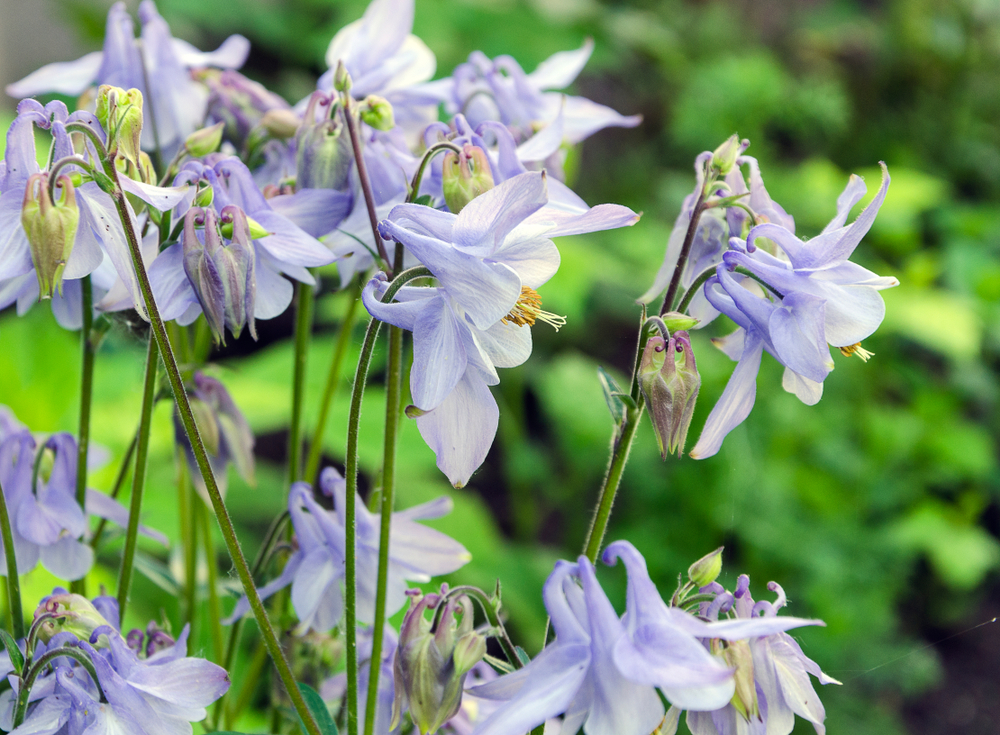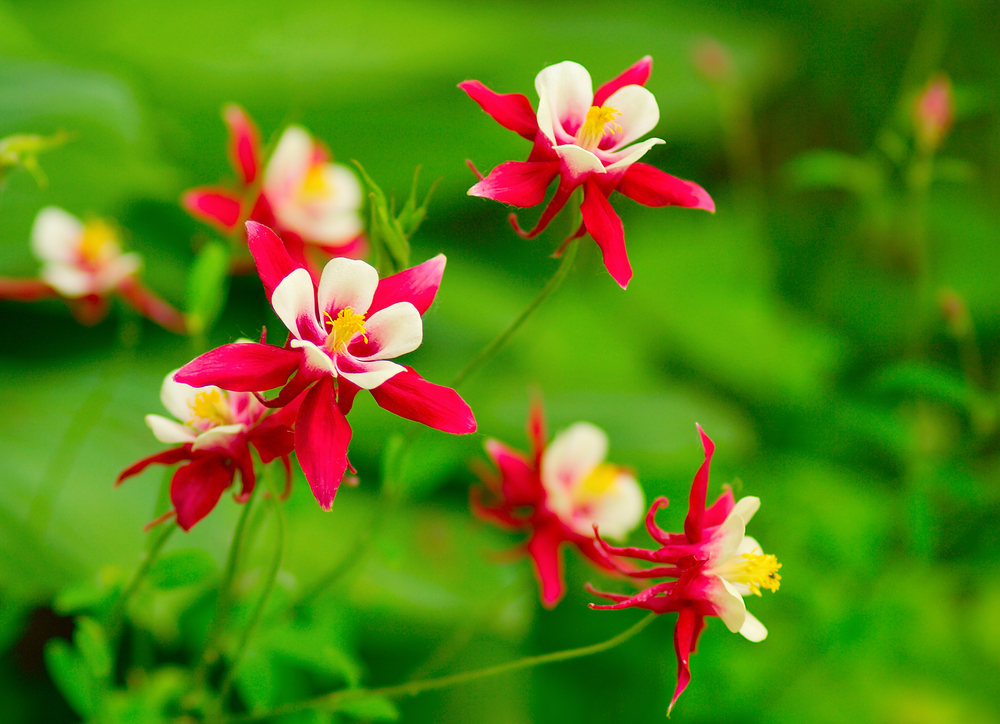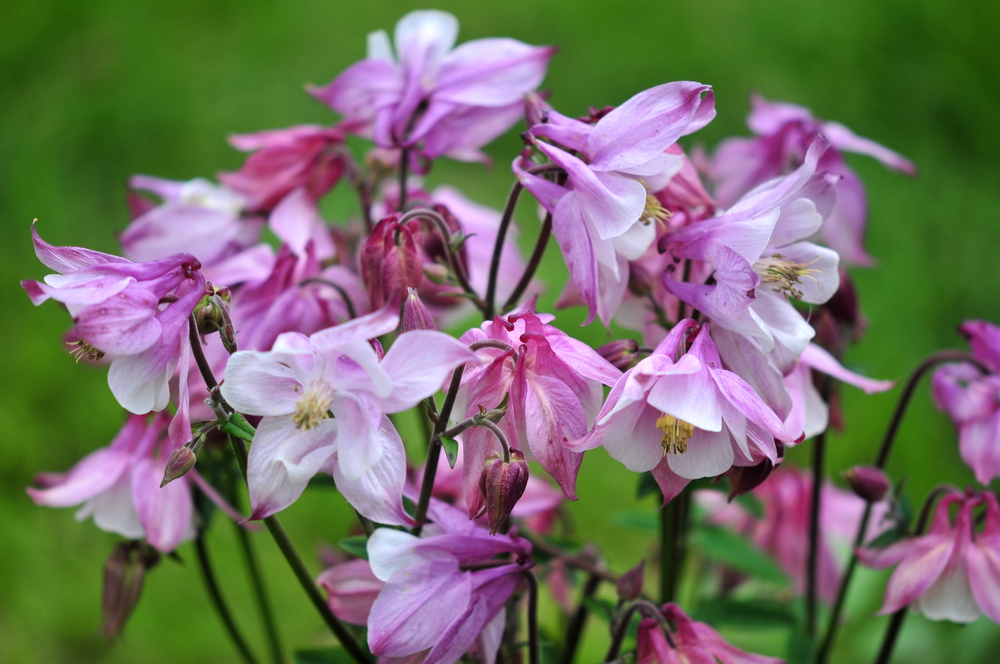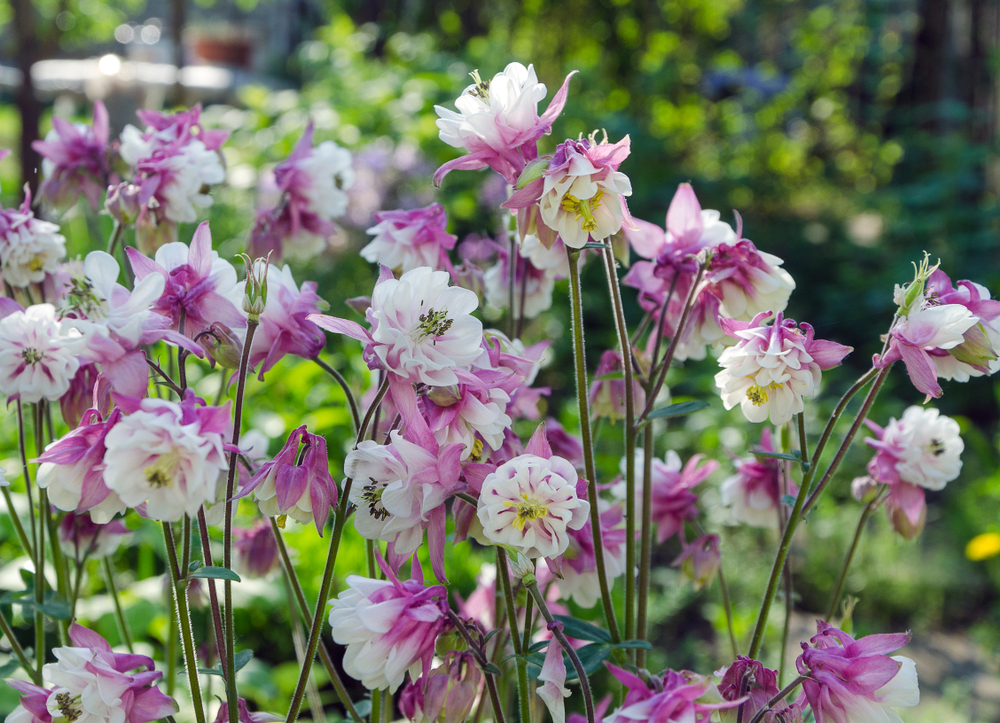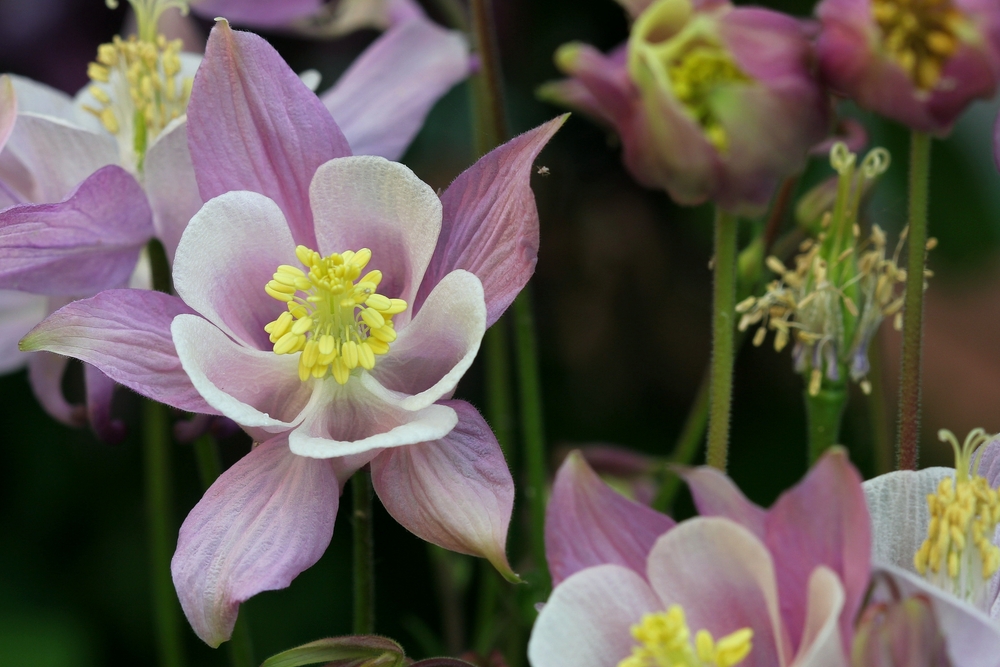
Columbine is one of those hardy, low-maintenance perennials that just steals the show every spring. It features these gorgeous, bell-shaped spurred flowers that rise up from a relaxed rosette of foliage. Most people focus entirely on the blooms, but the leaves themselves are actually pretty unique in their own right—both in how they look and how they can be used.
A Closer Look at Columbine Foliage
The leaves of the Common Columbine are “biternate,” which is just a fancy way of saying they’re divided into rounded, lobed leaflets. They have notched edges that give them a delicate, feathery appearance. The color usually ranges from a cool blue-green to a dusty gray-green, and if you flip them over, you’ll notice they’re slightly fuzzy on the underside. The leaves at the base grow on long stems, while the ones further up the flower stalk sit directly on the stem and have a more oval, smooth-edged shape.
One quick “pro tip” for anyone growing Columbine: the leaves are highly toxic. It’s always a good idea to wear gardening gloves when you’re pruning or handling them, as the sap can cause some nasty skin irritation.
In early spring, the leaves are the first sign of life you’ll see. They start out as tender, bright green shoots pushing through the soil before deepening into a darker green over the following weeks. This lush foliage stays pretty all summer long. It’s only after the flowering is done and the plant has dropped its seeds that the leaves begin to wither. Before you know it, the plant disappears entirely to spend the winter tucked away in its underground rhizome.
The Toxic Side of Columbine
As graceful as this plant looks, those leaves pack a punch. Ingesting as little as 20 grams (less than an ounce) can lead to symptoms of poisoning. The plant contains magnoflorine and a glycoside that produces prussic acid, which can cause:
- Muscle cramps
- Breathing difficulties
- Nausea, vomiting, and diarrhea
- Heart palpitations
- Skin irritation
These toxic effects only happen if the leaves are eaten fresh, so definitely keep an eye on curious toddlers and pets. Interestingly, the toxins are destroyed when the leaves are dried or heated. In that form, Columbine actually flips from “danger” to “remedy” and has a history in herbal medicine. A freshly brewed tea or a warm compress made from dried leaves has been used to help with:
- Rheumatic pain
- Boils
- Ulcers
- Gout