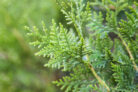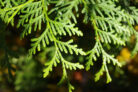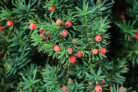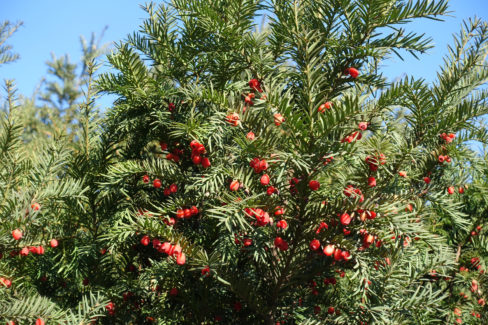
It’s common knowledge that almost every part of a yew tree is highly toxic. Because of this, I get asked all the time: “Is it actually safe to put yew clippings on my compost pile?” It’s a fair question, but I have good news—you don’t need to worry! Here is the lowdown on how to handle yew in your garden without any stress.
How to Compost Yew Safely
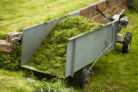
Even though yew trees contain taxine—a potent toxin that can be fatal if ingested—they are perfectly fine for composting. Nature is pretty amazing: the bacteria in your compost pile actually break down the taxine during the decomposition process. Once the material has fully broken down, the resulting mulch or soil is no longer toxic. Just make sure to shred the clippings well and give the pile plenty of time to do its thing. After that, you can use it to fertilize your flower beds without a second thought.
A few tips for success:
- Always wear gardening gloves.
- Shred or chop the clippings before adding them to the pile.
- Mix the yew in with other garden waste to keep things balanced.
- Cover your compost pile as an extra safety measure.
There is one major exception: if your yew tree is sick, keep it away from the compost. If you’re dealing with a fungal infection, those spores can survive in the compost and eventually spread throughout your entire garden. To play it safe, seal any diseased clippings in a trash bag and dispose of them in the bin instead.
Keep Pets and Kids in Mind
Remember, the taxine in yew is just as dangerous for animals as it is for humans. If you’re composting yew, I highly recommend covering your pile. This prevents curious pets from chewing on the branches while they’re still fresh and toxic. The same goes for households with little ones—if you have kids running around the yard, a covered bin is a must. It’s always better to be safe than sorry when dealing with poisonous plants.
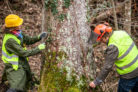
Finally, don’t forget your protective gear. Beyond the toxicity, yew wood can cause skin irritation for some people. Wearing gloves and long sleeves will keep your skin happy, and definitely try to avoid brushing the needles against your face while you’re working. Happy gardening!