Evergreens are the backbone of any great landscape, and these stunning conifers are among the most popular choices for home gardeners. Whether you’re looking for year-round privacy or a majestic focal point, here’s the lowdown on their unique traits and what to keep in mind when picking the right one for your yard.
[[pflanzen]]
++Colorado Blue Spruce (Picea Pungens Glauca)
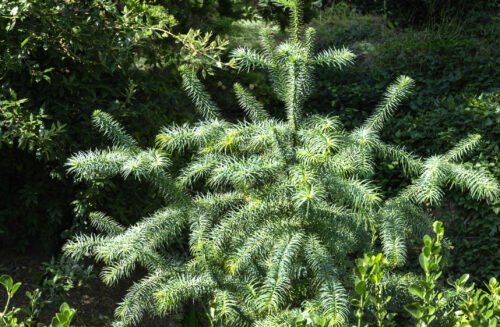
Blue Spruces are famous for being tough as nails. These hardy trees can even handle the less-than-ideal air quality of big cities without breaking a sweat. They grow in a beautiful, symmetrical pyramid shape with dense, striking needles. Of course, the real draw is that gorgeous silvery-blue shimmer that makes them stand out in any garden. Just make sure to plant yours in a spot with plenty of direct sunlight—that’s where they really thrive!
++Swiss Stone Pine (Pinus cembra)
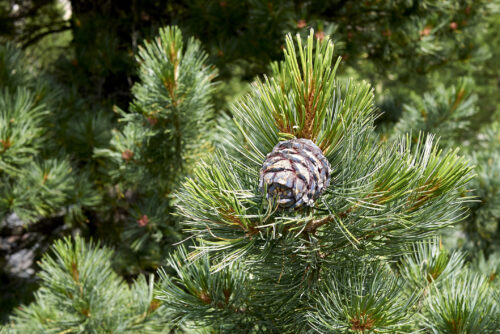
The Swiss Stone Pine is a classic favorite for those who play the long game. It’s a slow grower, but it can live for centuries! Naturally at home in high alpine regions, it’s incredibly cold-hardy. People love this tree for the amazing, aromatic scent of its wood and cones. In fact, in many mountain regions, the wood is highly prized for making high-quality furniture that smells just as good as it looks.
++Mugo Pine (Pinus mugo)
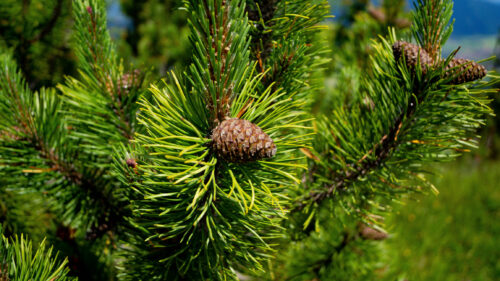
If you’re looking for something a bit more compact, the Mugo Pine (or Mountain Pine) is a fantastic choice. It has a charmingly gnarled, low-growing habit that handles mountain-level chills with ease. In a backyard setting, its rugged, twisted look makes it a real eye-catcher. It’s also a top-tier choice for garden enthusiasts who want to try their hand at cultivating a beautiful bonsai.
++Arborvitae (Thuja)
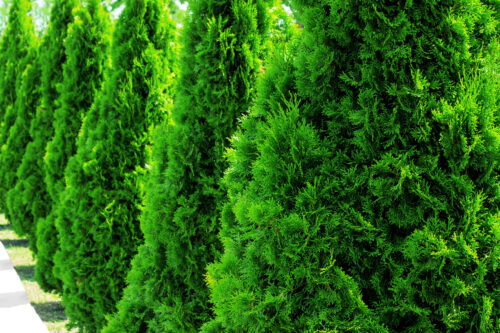
The Arborvitae, often called the “Tree of Life,” is a staple in American yards. It’s evergreen and incredibly easy to prune into shape, which is why so many gardeners use it for privacy hedges. One thing to keep in mind, though: its dense foliage is quite dry and doesn’t offer much in the way of habitat for insects. So, while it looks great, it’s not the biggest contributor to supporting your local birds and beneficial bugs.
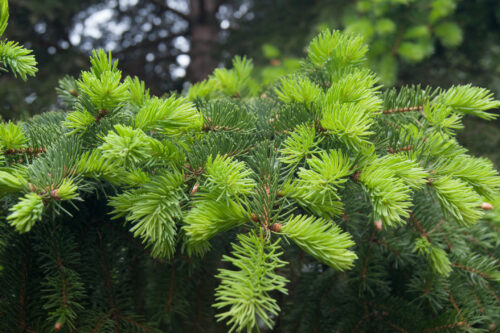
++Norway Spruce (Picea abies)
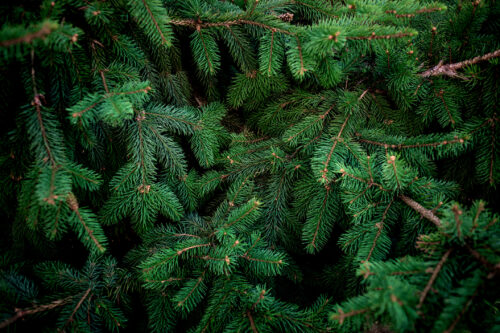
The Norway Spruce is a forest icon, loved for its classic needles and hanging cones. It’s well-adapted to temperate climates and loves a spot with fresh, well-drained soil. While it’s a powerhouse in the garden, in the wild, it sometimes struggles to compete with faster-growing deciduous trees, so it really appreciates a little space of its own to shine.
++English Yew (Taxus baccata)