Looking for a tough, evergreen addition to your yard? Let me introduce you to the Yew tree. These hardy conifers are a staple in many gardens because they look great year-round and can handle just about anything nature throws at them. Here’s the lowdown on how they grow, what they need, and how to keep them happy.
Name and Botanical Classification
The Yew is a classic conifer that’s native to Europe, meaning it’s perfectly adapted to temperate climates. It’s a real survivor—even those freezing winter temperatures won’t bother this plant.
- Botanical Name: Taxus baccata
- Plant Type: Conifer
- Variety: About 80 different cultivars
- Native Range: North Africa, Europe, and Asia
Size and Growth Habits
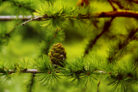
If you’re looking for instant height, you’ll need a little patience with the Yew. It grows pretty slowly during its first few years because it’s busy focusing energy on establishing a strong root system. Eventually, though, these trees can reach an impressive 50 feet (15 meters) tall, covered in lush, evergreen needles.
- Height: Can reach up to 50 feet
- Root System: Deep taproot
- Maturity: Starts producing seeds between 20 and 30 years of age
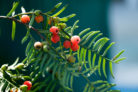
- Fruit: Bright red, berry-like cups (called arils) found on female trees
Is the Yew Poisonous?
As much as I love the Yew for its looks and low maintenance, there is one big “heads up” you need to know: most parts of the tree contain taxine. This alkaloid is highly toxic if ingested, even in small amounts. If you have curious pets or small kids, keep this in mind.
- Toxic Substance: Taxine
- Needles: Poisonous
- Wood: Poisonous
- Seeds: Poisonous
- Berry Flesh: Non-toxic (but the seed inside is dangerous!)
The Best Spot for Your Yew
Yews are famous for being easy-going, but they do have a few preferences when it comes to their location. If you get the site right from the start, your tree will basically take care of itself.
- Light: They do best in partial shade.
- Soil: They need well-draining soil—they hate having “wet feet” (standing water).
- Nutrients: They love nutrient-rich soil; adding some bark mulch is a great way to keep them fed.
Pruning and Shaping
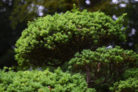
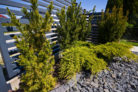
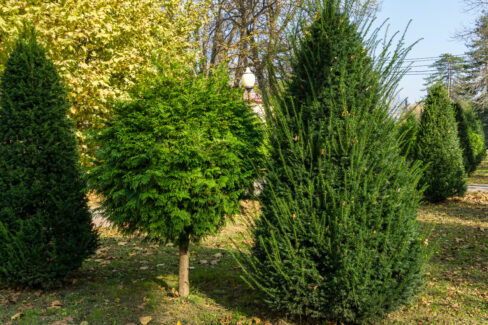
One of the best things about the Yew is how well it handles a haircut. It’s incredibly “back-budding” friendly, meaning it will sprout new growth even after a heavy pruning. This makes it perfect for topiary—you can prune it into spheres, pyramids, or even formal hedges. Just a pro-tip: always wear gloves when pruning to avoid skin contact with the sap, and yes, you can compost the clippings!