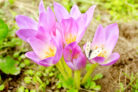
If you’re a fan of foraging, you probably know that spring is the ultimate time to hunt for wild garlic (also known as ramps or ramsons). But here’s the thing: while wild garlic is delicious, it has a dangerous doppelgänger called the Autumn Crocus (Meadow Saffron). Since their long, green leaves look incredibly similar at first glance, people often mix them up—which is a mistake you definitely want to avoid!
Once you get to know the specific traits of each plant, you’ll be able to tell them apart like a pro. Here’s what you need to look for.
Key Differences to Keep You Safe
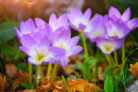
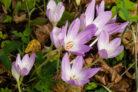
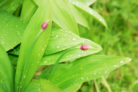
The Autumn Crocus gets its name because it blooms when the trees are losing their leaves—in the fall. During that time, it sprouts flowers that look a lot like spring crocuses. However, when it’s not in bloom, this toxic plant can easily be mistaken for edible wild garlic.
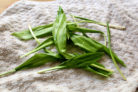
Wild garlic season kicks off in early March. You’ll see those bright green leaves poking through the forest floor, and they’re perfect for harvesting until the plant starts to flower. When you’re out foraging, keep these markers in mind:
- Location: Wild garlic loves the woods; Autumn Crocus prefers open meadows.
- Scent: Wild garlic has a powerful, unmistakable onion or garlic aroma.
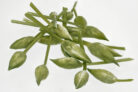
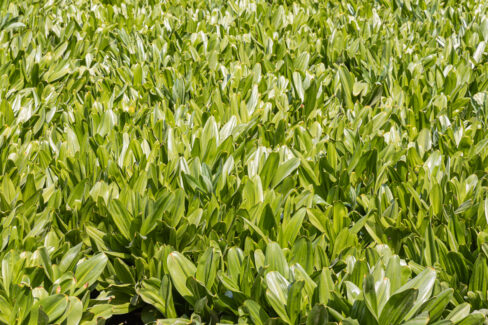
- Stems: Wild garlic leaves grow on individual, distinct stems. Autumn Crocus leaves grow in a cluster and wrap around each other at the base.
- Texture: Wild garlic leaves are thin and soft, while Autumn Crocus leaves are thicker and more “fleshy.”
A lot of people rely on the “sniff test,” but be careful! Once your fingers smell like garlic from the first leaf you crushed, every other plant you touch will smell like garlic too. A much safer bet is to look at the stems. Only harvest leaves that have a clear, individual stalk—Autumn Crocus leaves don’t have them.
The Stress-Free Alternative: Grow Your Own
If you love that garlicky flavor but feel a little nervous about foraging in the wild, why not just grow it yourself? Planting wild garlic in your own garden is super easy and totally removes the risk of accidentally putting a poisonous plant on your dinner plate. Plus, it’s a great way to keep kids safe. Make sure children know not to pick or touch Autumn Crocus in the wild, as the toxins can be harmful if they put their hands in their mouths afterward.
Watch Out for Lily of the Valley, Too
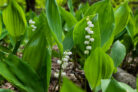
There’s one more look-alike to keep on your radar: Lily of the Valley. Like wild garlic, it grows in the woods (usually along paths), and the leaves are quite similar. While eating Lily of the Valley usually isn’t fatal, it’s definitely not a fun experience—it can cause some pretty nasty nausea and vomiting.
Stay observant, stick to the stems, and happy foraging!