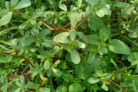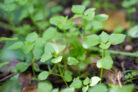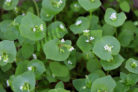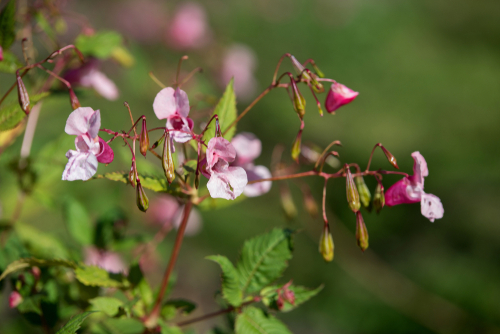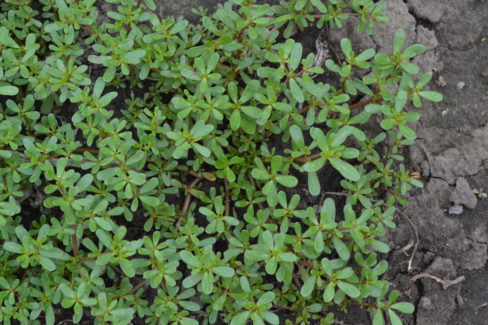
Lately, purslane has been having a real “moment” in the culinary world. This wild green with its crunchy, succulent leaves is popping up on menus in high-end gourmet restaurants everywhere. Yet, if you talk to a lot of backyard gardeners, they’re desperately trying to figure out how to kick it out of their flower beds for good. It seems like a total contradiction, right? Well, there’s a very good reason for this love-hate relationship.
Why Purslane is Considered a “Weed”
Don’t get me wrong—having a fresh harvest of purslane for your salads is great. But whether you’re planting it on purpose or you just spotted some growing wild, there’s one fact every gardener needs to know: purslane starts producing seeds when it’s only six weeks old. And we’re talking thousands of them! A single plant can reportedly drop nearly 200,000 seeds in its lifetime. If you take your eyes off this plant for even a second, it’s already started its world takeover. To make matters worse, those seeds are incredibly tough; they can sit in the dirt for over 30 years and still sprout perfectly fine. It’s no wonder purslane is ranked as one of the most persistent weeds out there.
How to Get Purslane Under Control
If purslane starts self-seeding all over the place, it’ll quickly crowd out the plants you actually want to grow. Getting rid of it isn’t exactly a walk in the park because even after you pull the visible plants, there are countless seeds lurking in the soil just waiting for their turn. There’s no “magic wand” fix here; it takes a bit of elbow grease, discipline, and patience. Here’s your game plan:
- Pull out unwanted plants as soon as you see them.
- Stop any new seeds from forming.
Quick Tip:
While you could technically use a chemical herbicide, I wouldn’t recommend it in a garden bed where you’re growing food. Plus, weed killers only take out the living plants, not the seeds. You’d end up spraying year after year without ever solving the root problem.
Pulling the Unwanted Guests
If you still have an appetite for these greens, feel free to leave a few plants standing for your kitchen. Just make sure you follow the advice in the next section about seed prevention! For everything else, pull them out—roots and all—the moment they pop up. Make it a habit to walk through your garden regularly to hunt them down. You’ll need to repeat this every season until the purslane finally seems to vanish. But stay alert! Even years later, those old “sleeper” seeds can suddenly decide to wake up and sprout.
Preventing New Seeds
The golden rule is to pinch off any flower buds immediately. You want to stop new seeds from hitting the ground and resetting the clock on your problem. Purslane usually blooms between June and October, so that’s your window to keep a sharp eye out for those tiny yellow flowers.
The Last Resort: Removing the Topsoil
If the purslane keeps winning and you’re tired of the endless weeding, you might have to physically remove the seeds before they can sprout. This involves scraping off the top layer of soil and replacing it with fresh, clean garden soil. It’s a lot of work, so you’ll have to decide if your back (and your budget) is up for the task!