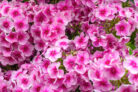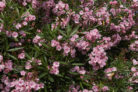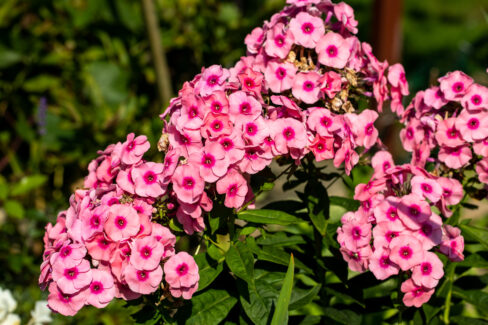
Powdery mildew is one of those pesky fungal diseases that seems to pop up everywhere in the garden. While Phlox (also known as flame flowers) aren’t the most sensitive plants on the block, they definitely aren’t immune to an outbreak.
How do you spot powdery mildew on Phlox?
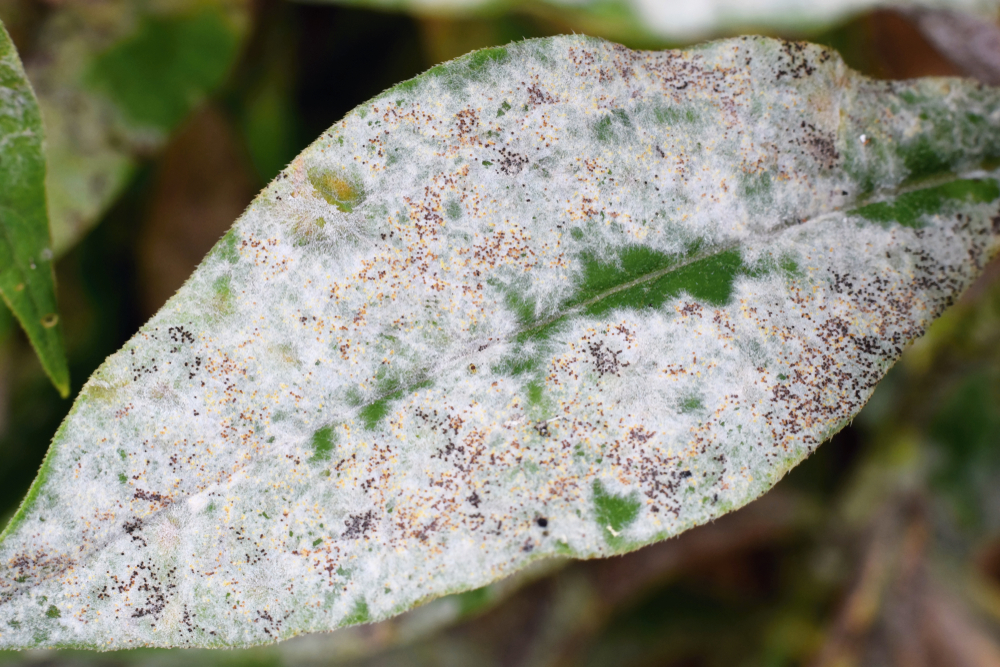
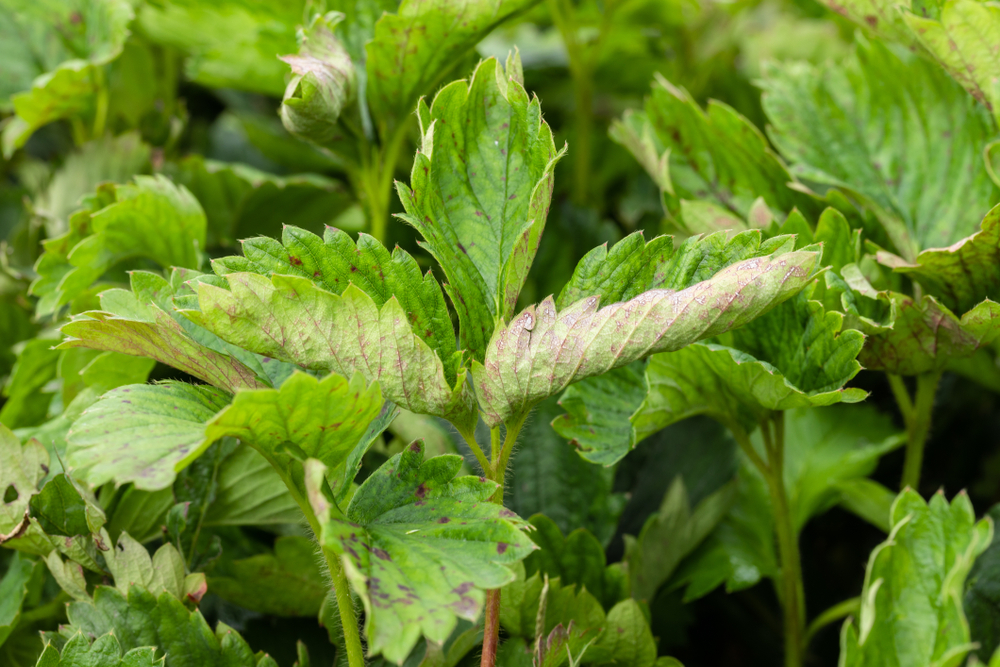
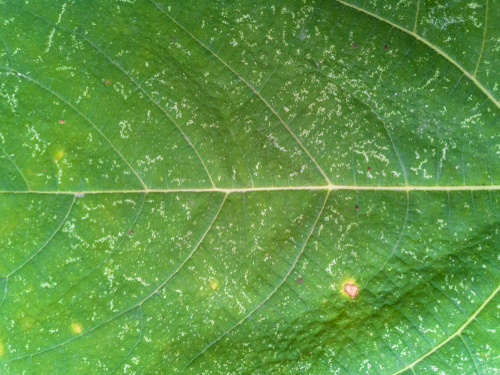
In the early stages, powdery mildew shows up as fuzzy white or gray spots on the leaves. If left unchecked, those leaves will eventually die off, and the fungus will spread to the rest of your beautiful Phlox. Keep in mind that the fungus can actually survive on fallen leaves, continuing to haunt your flower bed. It also hitches a ride on the wind, splashes around in water, or spreads via dirty garden tools. High humidity and moisture sitting on the foliage are basically an open invitation for an outbreak.
How can you prevent a mildew outbreak?
Strong, healthy plants are your best defense against diseases. Good TLC—meaning plenty of water and regular fertilizing—is key. Just a heads-up: go easy on the nitrogen. Too much nitrogen actually softens the plant’s tissues and makes it less resistant. When you water, try to aim for the base of the plant rather than the leaves to keep things dry.
You can also give your Phlox a head start right at planting time with these tips:
- Choose a location with great air circulation
- Give your plants plenty of elbow room (proper spacing)
- Apply a layer of mulch to the soil
How do you get rid of mildew on Phlox?
If you spot an outbreak, you’ve got to move fast. For a mild case, simply prune away the affected parts. However, if the mildew has really taken over, a radical cut-back is your only option. If you wait too long, you might have to pull the whole plant. If that happens, avoid planting Phlox in that exact spot for a while, or choose a mildew-resistant variety. Some great hardy options include:
- Large-leaf Phlox (Phlox amplifolia)
- Garden Phlox (Phlox paniculata)
- Meadow Phlox (Phlox maculata)
Always remember to disinfect your garden shears after use so you don’t spread the spores. And whatever you do, don’t toss those infected clippings into your compost pile! The fungus can survive the composting process and end up right back in your garden next season.