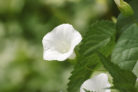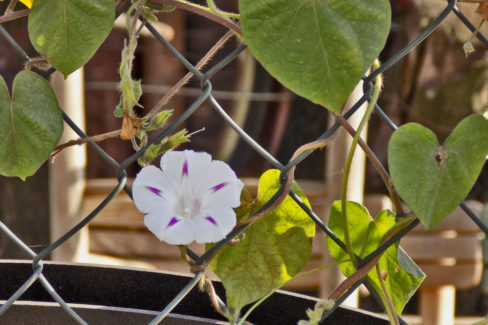
At first glance, the hedge bindweed looks pretty charming with its innocent, white trumpet-shaped flowers. But don’t let those looks fool you—this plant is a total beast in the garden. It’s a fierce competitor that will choke out your favorite perennials and steal all their nutrients. If you’re planning to evict this uninvited guest, get ready for a marathon, not a sprint. You’re going to need some serious persistence.
How to Tackle the Problem
Hedge bindweed (botanically known as *Calystegia*) is a survival expert. Its roots can dive several feet deep into the soil, and it spreads like wildfire through underground runners and shoots. To make matters worse, it’s also great at self-seeding. Because of this, getting rid of it is often a long, grueling process that doesn’t always work the first time. Here are the most effective ways to fight back:
- Digging it out
- Smothering (covering the soil)
- Replacing the soil
- Various home remedies
A quick word of advice: skip the heavy chemicals. Not only are they tough on you and the environment, but they often don’t even work any better than manual methods against this stubborn vine.
Digging It Out
If you just rip off the vines at the surface, you’re basically just pruning it—the bindweed will grow back from the remaining roots faster than you can say “weed.” It’s a classic uphill battle. The root system is incredibly complex, branching out horizontally and vertically. If you want to get every last bit, you’ll need to grab a spade and dig deep. Sift through the soil carefully to catch even the tiniest root fragments.
Pro Tip:
Throw your excavated bindweed straight into the trash, not the compost pile. Even a tiny piece of root or a stray seed can survive the compost and find its way back into your flower beds. Also, despite what you might hear, hedge bindweed is not edible.
Smothering the Area
Bindweed is an aggressive weed that loves to take over large patches of ground. Empty garden beds or gaps between plants are basically an open invitation for it to move in. If you have a large area infested with bindweed, try this strategy:
- Clear away all the visible vines (pull them or mow them down).
- Turn over the soil.
- Remove any roots that come to the surface.
- Cover the entire area with heavy-duty black plastic or landscape fabric.
- Weight it down with stones or a thick layer of mulch.
- Wait at least a full year.
Replacing the Soil
Swapping out your soil is definitely the “nuclear option”—it’s expensive and a lot of work. However, if bindweed has completely taken over a small vegetable patch and nothing else is working, digging out the infested soil and replacing it might be your best bet to save the garden.
Common Home Remedies
Here are a few DIY methods people often use to keep weeds at bay:
- Vinegar and salt solutions (use with caution!)
- Boiling water poured directly on the roots
- Planting Marigolds (*Tagetes*) nearby as a natural deterrent
Note:
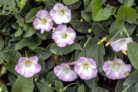
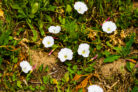
You might also run into Field Bindweed in your yard. It looks similar but has pinkish or bluish flowers and arrow-shaped leaves. If you’re dealing with that variety, getting rid of field bindweed requires the exact same “tough love” approach as the hedge variety.