Ornamental Plants – Flowers – Impatiens
title: How to Get Rid of Himalayan Balsam – Controlling Invasive Impatiens
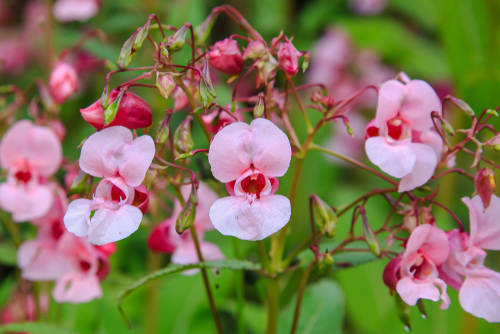
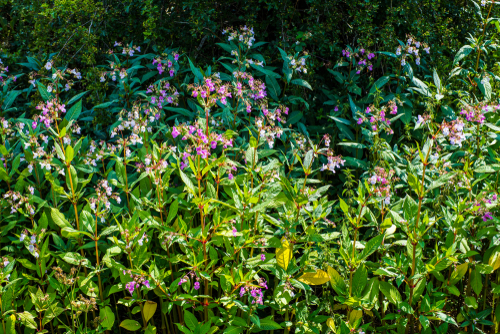
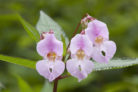
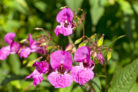
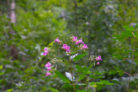
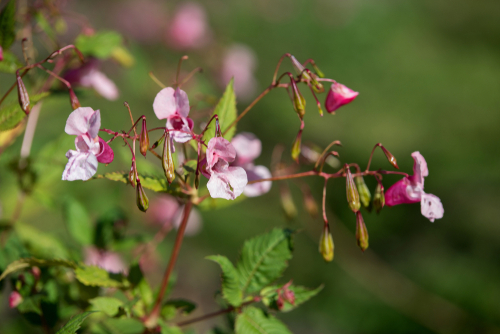
If we were judging strictly on looks, we’d probably all be fans of Himalayan Balsam. Those pink blossoms are undeniably pretty, but don’t let them fool you—they are seed-producing machines. If you don’t step in quickly, you’ll lose the battle for your flower beds before it even starts.
Why You Need to Act Fast
The moment you spot the first plant, stop admiring it and start planning your attack. Himalayan Balsam (botanically known as *Impatiens glandulifera*) is what we call a “neophyte”—an invasive species that has moved in and made itself way too comfortable. Your garden could be its next conquest because:
- It grows aggressively and quickly turns into a stubborn weed.
- A single plant produces a massive amount of seeds.
- The seed pods literally “explode,” launching seeds several yards away like little projectiles.
- Those seeds can stay viable in the soil for years.
- It crowds out the native plants you actually want in your garden.
Quick Note:
The raw leaves and stems are mildly toxic to both people and pets. However, the flowers and seeds are actually edible!
When to Start the Fight
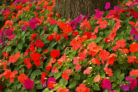
Just like its popular cousin, the Busy Lizzie, Himalayan Balsam is an annual. This means the plant itself dies off on its own in the fall. The real villains are the seeds, which turn into a carpet of new weeds come springtime. You need to tackle the plant before the seeds ripen. Start early in the season, but at the very latest by July when the flowers first appear.
Skip the Chemicals
Sure, you can find chemical herbicides at the store that claim to kill Impatiens. But by now, most of us home gardeners know that herbicides aren’t great for our health or the environment. We’re not going to dive into those options here—and we definitely don’t recommend using them in your backyard.
The Hands-On Approach
Going plant-by-plant takes a little time, but Himalayan Balsam makes it pretty easy for us because it has very shallow roots. If you head out after a rainy day, you can get rid of it effortlessly. Just grab the stem near the base and give it a firm tug; it should pop right out of the damp soil, roots and all.
If you’re dealing with a massive patch that’s completely overgrown, grab your lawnmower or a weed whacker. Mow the area down before the plants have a chance to bloom or set seed. To be safe, toss the debris in your regular trash bin rather than the compost. If any seeds are hiding in the pile, they can survive the composting process and end up sprouting all over your garden later.
Pro Tip:
Avoid fertilizing areas where Himalayan Balsam is growing. Keeping the nutrient levels low makes it harder for the plants to thrive and go to seed.