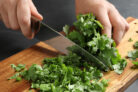
Every home garden needs a dedicated herb patch, right? Now, cilantro (Coriandrum sativum) is one of those “exotic” herbs that people either absolutely love or… well, let’s just say it’s an acquired taste! But if you’re a fan of Thai food or fresh salsa, cilantro is a must-have for your herb bed. Let’s dive into how to make this plant feel right at home in your backyard.
Cilantro Loves the Sun
Cilantro does best in a spot that gets plenty of sun or at least some partial shade. Aim for about three hours of direct sunlight a day if you can. You’ll also want to pick a spot that’s protected from the wind; these plants can grow up to 30 inches tall, and you don’t want those delicate stems snapping in a breeze. Like most herbs, cilantro hates “wet feet,” so avoid compacted soil where water pools. If your soil is heavy clay, try mixing in some sand and compost. The sand helps with drainage, ensuring your plants don’t rot.
Keeping Your Herbs Happy and Healthy
To keep your cilantro thriving, make sure to loosen the soil occasionally, water regularly, and give the ground a little nutrient boost. While most herbs are pretty low-maintenance, they still appreciate a little “snack” now and then. The good news? Cilantro rarely deals with pests or diseases. If you’re feeling a bit adventurous, you can even whip up your own organic plant tonic and water your cilantro with it once a month. Your herbs will thank you with lush, healthy growth!
Growing Your Own Cilantro
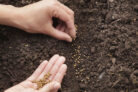
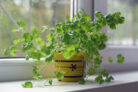
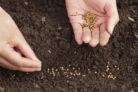
You don’t need a massive garden plot to grow this herb; cilantro does great in pots, balcony boxes, or large containers. Common cilantro is an annual, so you don’t have to worry about whether it’s hardy enough to survive the winter—it completes its life cycle in one season. If you need a fix during the off-season, you can usually find potted plants at the grocery store year-round. However, if you’re looking for something more permanent, Vietnamese cilantro is a perennial and is much more winter-hardy.