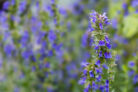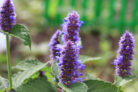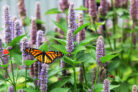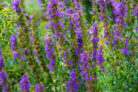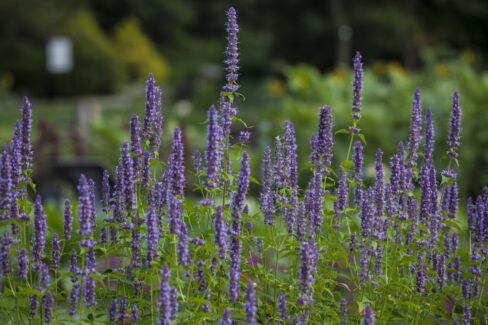
Hyssop is a total triple threat: it’s a healer, a savory spice, and it puts on a gorgeous floral show! But if you want it to really thrive, you’ve got to pick the right spot in your garden. To figure out what this plant needs, we just have to look at its roots. Hyssop hails from the sunny Mediterranean, so “warm and bright” is the name of the game. Let’s dive into exactly what makes for a perfect home for this herb.
Full Sun is the Way to Go
Hyssop (scientifically known as *Hyssopus officinalis*) is a sun-worshipper through and through. Because of its Mediterranean heritage, it’s really not built for shade or even partial shade. It needs unobstructed sunlight to soak up the heat required to develop those intense essential oils and flavors. You don’t even need to worry about the harsh midday sun—this plant can take the heat!
Despite its love for the sun, hyssop is surprisingly tough. It’s winter hardy and can handle frost, so you can leave it in your garden beds year-round. If you’re growing hyssop in pots, it still needs that sunny vibe, but you’ll want to give it a little extra protection in the winter by wrapping the pot in burlap or fleece to keep the roots safe.
Quick Tip:
Try to find a spot that is sunny but also shielded from the wind. Even on a bright day, a biting wind can chill the plant and slow its growth.
Finding the Best Spot in Your Yard
While you can technically start hyssop seeds just about anywhere sunny, being strategic with your placement pays off. Not only does it make it easier to harvest a few sprigs for your latest kitchen creation, but hyssop also acts as a natural bodyguard for your other plants.
- In the Herb Garden: It’s a classic addition to any dedicated herb bed.
- In a Herb Spiral: Plant it at the very top in the “dry zone.”
- Best Buds: It loves hanging out with sage and thyme.
- Vegetable Companion: It’s a great neighbor for your veggies.
- Natural Pest Control: Its strong scent is a major turn-off for snails, caterpillars, and aphids.
The Perfect Soil Mix
When it comes to growing hyssop, think dry. This plant hates “wet feet,” and its roots will rot quickly if they sit in soggy soil. It’s incredibly drought-tolerant; once established, it can usually cruise through a hot summer without any extra watering.
Since we often deal with rainy spells, your soil needs to do one job really well: drain. The soil should be loose and gritty. If you have heavy clay or compacted soil, be sure to mix in some coarse sand to open it up. Hyssop also has a “sweet tooth” for lime, so it prefers a slightly alkaline pH level.