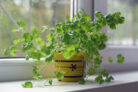
It takes about 7 weeks to grow cilantro from seed to harvest. If you keep up with regular harvesting, you can actually delay the plant from bolting (flowering) too early. I always recommend staggered planting—sowing a new batch every few weeks—to keep a fresh supply going. But what happens when the temperature drops? Let’s look at how to handle winter.
Annual vs. Perennial Cilantro
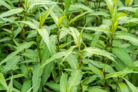
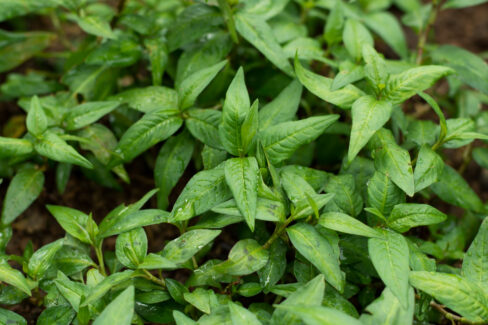
First, we need to clear up a little confusion between two different plants. “True” cilantro (the Asian variety) is an annual, meaning it completes its life cycle in one season, so you don’t need to worry about overwintering it. Vietnamese coriander, on the other hand, is a perennial. It can live for years, but it definitely needs a little extra TLC to survive those freezing winter nights.
How to Overwinter Your Coriander the Right Way
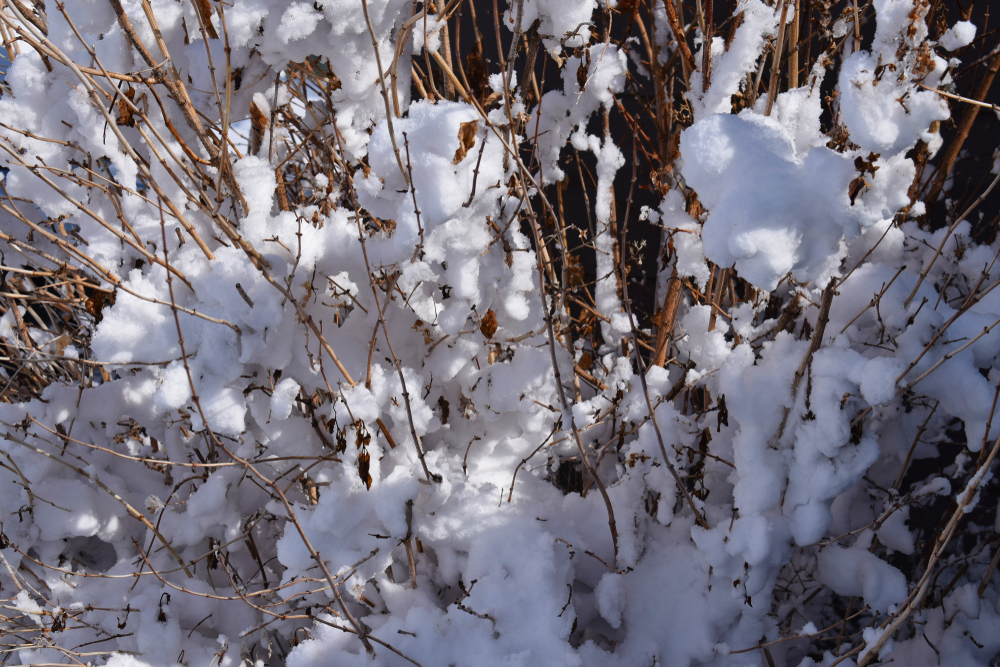
The best move is to bring your Vietnamese coriander indoors to a cool room (ideally under 68°F/20°C). The big perk? You can keep harvesting fresh leaves all winter long! Just make sure it gets plenty of light and stays hydrated. If left outside, a couple of nights at freezing temperatures would likely be the end of it. If you absolutely must leave it outdoors, cover it with some straw or brush for insulation. Don’t forget to give it a little water during the winter, but you can skip the fertilizer until spring.
Ideal Growing Conditions
Interestingly, Vietnamese coriander is actually part of the knotweed family, unlike standard cilantro, which is an umbellifer. This means they have pretty different personalities! Vietnamese coriander loves moist soil and thrives in partial to full shade. One quick tip: don’t bother trying to dry the leaves. They lose almost all that signature flavor once they’re dried out.
Kitchen Tips
Vietnamese coriander is absolutely killer in a salad with a honey-mustard dressing—the aromatic leaves add such a unique kick. A little goes a long way! It’s also a fantastic way to brighten up fish or meat dishes.