Growing your own fruits, veggies, and herbs on a balcony definitely requires a little bit of “outside the box” thinking. To make the most of your space, try getting creative with vertical surfaces and awkward corners that usually go to waste. Old wooden ladders, repurposed bed slats, or even upright shipping pallets make fantastic DIY racks for hanging your pots.
How to Grow Cilantro in Containers
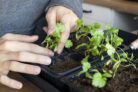
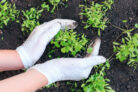
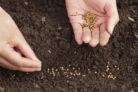
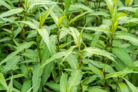
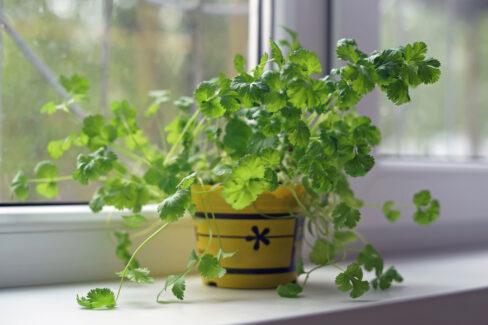
Cilantro (also known as coriander) is super versatile—it thrives in pots, window boxes, planters, or as an annual in your garden beds. You can usually find starter plants year-round at most grocery stores, but if you’re planning to grow cilantro on your balcony, here are a few pro-tips to keep in mind:
- Prevent soggy roots: Always add a drainage layer (like gravel or clay pebbles) at the bottom of your pot.
- Check the drainage: Make sure your container has plenty of holes so excess water can escape.
- Hydrate before planting: Give the root ball a good soak in water before you tuck it into the soil.
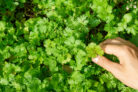
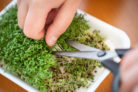
- Keep it trimmed: Regularly pruning your cilantro helps delay “bolting” (flowering), which keeps the leaves tasty for longer.
Mixing Herbs with Edible Flowers
Cilantro looks great on its own, but it really pops when you pair it with edible flowers. Not only do they look gorgeous, but flowers like nasturtiums, marigolds, and violets are delicious and grow perfectly alongside cilantro in the same pot. For a real splash of color, try adding flowering herbs like sage or vibrant verbenas. Just like cilantro, these are typically grown as annuals.
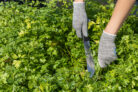
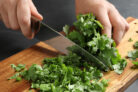
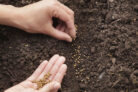
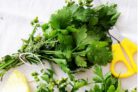
Your herb combo will be happiest in a spot that gets anywhere from full sun to partial shade. Cilantro usually blooms between June and August. If you’re after the seeds (coriander), you can harvest them in August once they turn brown. However, you can snip the fresh leaves for your tacos and salsas all season long!
Add a pop of color with these edible companions:
- Nasturtiums
- Marigolds
- Violets
- Sage
- Verbenas