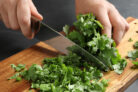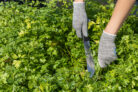
Once you’ve got cilantro growing in your garden, you’re basically set for life! You can harvest and dry the seeds every year, then turn around and plant them again the following spring. Plus, those dried seeds aren’t just for planting—they’re a fantastic spice for your kitchen. I love using them in homemade bread, meat and fish dishes, or even tossing them into soups and salads for that extra kick.
These Seeds Need a Little Sunshine to Wake Up
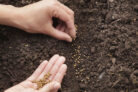
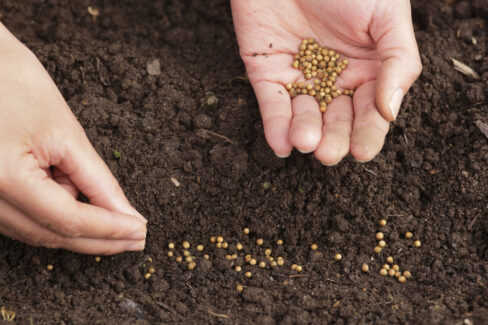
Most herbs are what we call light germinators. This means that in addition to water, oxygen, and warmth, they actually need light to start sprouting. It’s the opposite of “dark germinators,” which (you guessed it!) need total darkness to get going. When you’re sowing your seeds, the golden rule is to barely cover them—never bury them deeper than the thickness of the seed itself. Other common light-lovers include cress, dill, and carrots. Since these seeds are usually tiny, they just don’t have the energy to push through a heavy layer of dirt. Because of this, I often recommend pre-germinating your cilantro on a damp paper towel indoors to give them a head start.
Tips for Sowing Your Cilantro
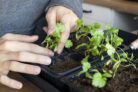
I’ll be honest: cilantro can be a bit of a slow poke when it comes to germinating. If you’re in a hurry, picking up some young starts at your local nursery is a great shortcut. But if you’re like me and love using seeds saved from last year’s harvest, you can start sowing outdoors around April. Space your rows about 12 inches (30 cm) apart, and give each plant about 6 inches (15 cm) of breathing room within the row so they have plenty of space to bush out.
A Few More Pro-Tips
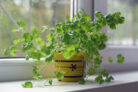
For the happiest plants, choose a spot that’s warm and sunny. Cilantro isn’t too picky about soil quality, but it absolutely hates “wet feet,” so make sure the area drains well. Since it’s a light germinator, don’t push those seeds deeper than about a quarter-inch (0.5 cm). And hey, if you don’t have a big garden plot, don’t sweat it—cilantro grows beautifully in pots or containers on a sunny balcony!
Seed Libraries: Keeping the Classics Alive
Did you know that “seed libraries” are becoming a huge thing? The movement actually started right here in the U.S. as a response to the rise of GMO seeds. The goal is to save and protect heirloom varieties and tried-and-true seeds that have been around for generations. It’s also a great way to boost plant diversity in our cities! By using these libraries, you’re supporting “open-pollinated” seeds. This just means the seeds you harvest will grow into plants with the exact same traits as their parents. That’s not the case with “F1” or hybrid seeds, which won’t grow true to type if you try to replant them next year.