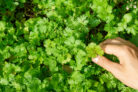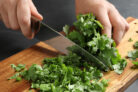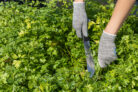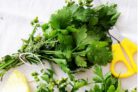
If you’re a fan of that bold, aromatic flavor, growing your own cilantro (or coriander, as some call it!) is a total game-changer. Whether you love it fresh in salsas or dried for spice rubs, it’s a must-have for any herb garden. The best part? It’s actually pretty easy to grow. Let’s dive into how you can get your own cilantro patch started.
Starting Your Cilantro Indoors
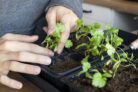
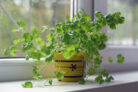
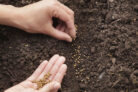
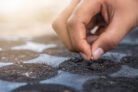
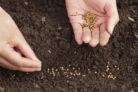
If you’ve got seeds ready to go, you can start sowing them on a sunny windowsill or in a greenhouse as early as April. I definitely recommend starting them indoors because cilantro seeds are light-dependent germinators and have a fairly long growing season. You can use pots, egg cartons, or even damp paper towels, but starting them in pots usually gives them the strongest start. Growing indoors gives you total control over the soil quality, moisture, warmth, and light—plus, it keeps those pesky pests away while the plants are young.
Finding the Perfect Spot
Cilantro is pretty flexible when it comes to its location—it’s happy in full sun or partial shade. Ideally, aim for at least three hours of sunlight a day. Since these plants can grow up to 30 inches tall, try to find a spot that’s protected from the wind so the stems don’t snap. Like most herbs, cilantro hates “wet feet,” so avoid compacted soil where water pools. If your soil is heavy or clay-like, just mix in some sand and compost to help the water drain better.
Prepping Your Garden Bed
Whether you’re sowing seeds or transplanting, a well-prepared bed is the secret to success. Start by loosening the soil about one or two spade-lengths deep. Make sure to clear out any stones and pull weeds up by the roots. This is a great time to mix in some organic fertilizer, like compost. Again, if your soil is super heavy, a little sand goes a long way. Once you’re done, just rake the surface smooth.
The Secret to Successful Transplanting
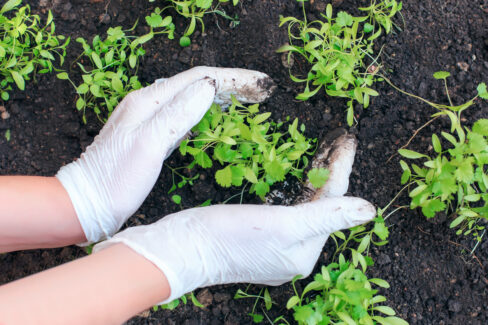
Before you put your seedlings in the ground, give them a good soak. A pro tip is to dunk the small pots into a bucket of water until the bubbles stop rising. Then, place the plant in its new hole, fill it with soil, and gently press down with your fingers. This ensures the roots have good contact with the earth so they can settle in quickly. Just make sure the plant sits at the same depth in the ground as it did in its pot.
Step-by-Step: Getting Your Seedlings in the Ground
- Loosen the soil until it’s nice and crumbly.
- Hydrate the root ball by dipping it in a bowl of water.
- Use a hand trowel to dig a hole and set your plant inside.
- Hold the plant steady with one hand while tucking the soil around it with the other.
- Gently press the soil down around the base.
- Give it a good drink using a watering can with a rose (shower) attachment.
Keeping Your Herbs Happy
- Keep the soil loose by hoeing or aerating it regularly.
- Water consistently and make sure the soil stays nutrient-rich.
- For an extra boost, give your plants a dose of organic liquid fertilizer or homemade compost tea once a month.