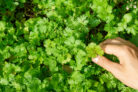
There’s nothing quite like the “gardener’s high” you get from harvesting fruits and veggies you started yourself from scratch. If you’re looking to add some fresh flavor to your kitchen, starting cilantro (coriander) indoors is a great project. With a few simple tricks, you’ll have a thriving herb patch in no time.
Starting Your Seeds Indoors
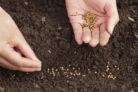
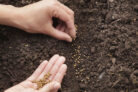
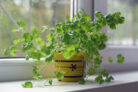
I’ll be honest with you: cilantro requires a little patience. The seeds are light-germinators (meaning they shouldn’t be buried deep) and they take a bit longer to sprout than your average veggie. Since the young plants can be a little finicky, I always recommend starting them in pots before moving them out to the garden. Growing cilantro in pots gives your herbs the best possible head start. A sunny windowsill or a greenhouse is the perfect nursery—it lets you keep a close eye on soil quality, moisture, warmth, light, and those pesky pests. Of course, starting from seed takes some effort, so you’ll have to decide if you enjoy the process or if you’d rather just grab some starts from the local nursery.
- You can start sowing as early as April.
- Aim for about 12 inches (30 cm) between rows.
- Give your plants some elbow room—about 6 inches (15 cm) apart within the row.
- Pick a spot that gets full sun to partial shade.
- Keep the germination area cool; try to stay under 68°F (20°C).
Germination Made Easy
Beyond standard pots, you can get creative with seed trays, egg cartons, or even damp paper towels. No matter what container you choose, these tips will make the process a breeze:
- Fill your containers with a high-quality seed-starting mix or an all-purpose compost. Peat-free options are a great eco-friendly choice!
- Try to space your seeds out evenly so they aren’t crowded.
- Use a gentle touch when watering. A watering can with a fine rose attachment (or a spray bottle) prevents the seeds from getting washed away.
- If you started your seeds in a flat tray, you’ll need to “prick them out”—carefully transplanting the seedlings into their own individual pots once they’re strong enough.
Saving Your Own Seeds
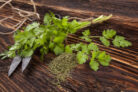
Since cilantro is an annual, it finishes its life cycle in one season. But here’s the silver lining: you can let it flower and collect the seeds for next year! To dry the seeds, cut the entire seed head once it’s mature. Let them air-dry slowly by spreading the stalks out on a cloth or newspaper. Another easy method is to bundle the stalks and hang them upside down inside a paper bag or cloth sack to catch the seeds as they fall.