Quackgrass is one of those incredibly stubborn lawn weeds that can really give any gardener a run for their money. The reason it’s so tough to beat? This grass, which you’ll find all across the Northern Hemisphere, doesn’t just spread through seeds—it also uses underground runners called rhizomes to take over. But don’t worry! With the right strategy, you can definitely reclaim your yard. Here’s the lowdown on how to get rid of it for good.
What Does Quackgrass Look Like?
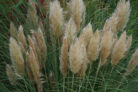
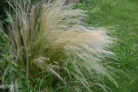
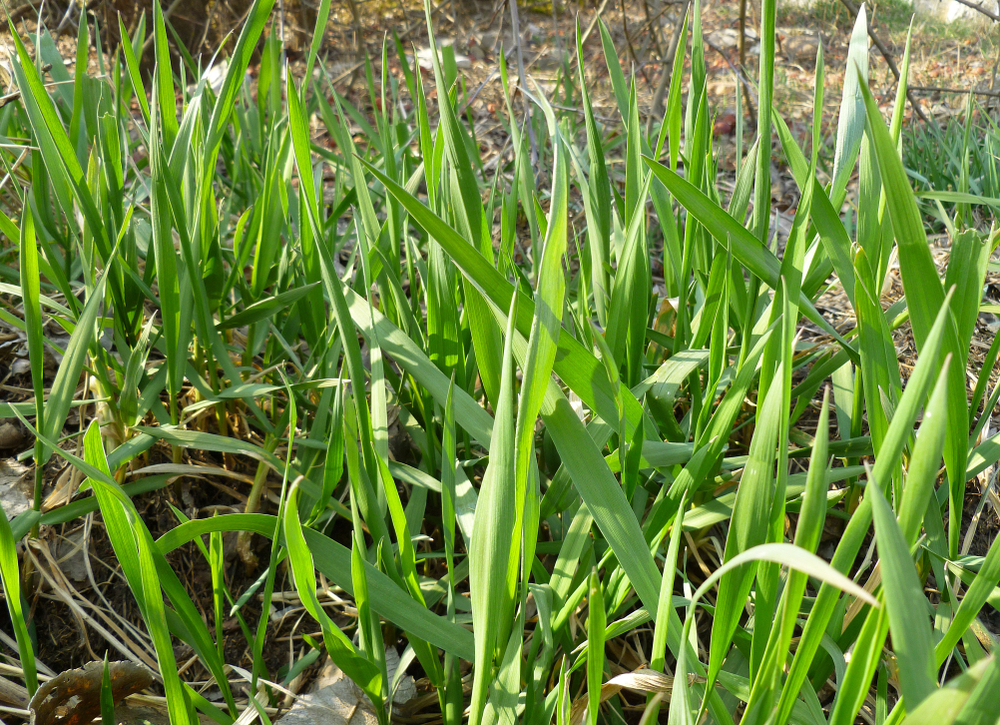
Quackgrass is a hardy, perennial grass that can grow up to four feet tall if left unchecked. It grows in clumps with smooth, upright stems that usually have three to five joints (nodes).
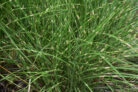
- Leaves: The blades are narrow, long, and have flat ribs. The topside feels rough to the touch and often has a bluish tint that you can actually rub off. If you look closely at the base of the leaf where it meets the stem, you’ll see tiny, hairy “ears” (called auricles) wrapping around the stalk.
- Flowers: It produces slender, spike-like flower heads that range from 2 to 12 inches long.
- Bloom Time: Keep an eye out from June through August.
- Soil Preference: It loves soil that is high in nitrogen and lime, which is why it’s a classic “farm weed” that thrives in rich garden beds.
This grass spreads via seeds and those sneaky underground rhizomes, which can dive as deep as 30 inches into the earth.
How to Fight Back Against Quackgrass
Once quackgrass has moved into your garden, simply hoeing or pulling the tops off won’t do much—it’s only a temporary fix. To truly win, you have to be consistent and remove every bit of new growth as soon as it appears to eventually “starve” the plant out.
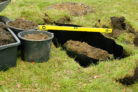
If you’re dealing with an area where you haven’t planted anything yet, your best bet is to turn the soil over with a digging fork and carefully hand-pick out every single rhizome you find. If your soil is nice and loose, you can often pull out long sections of the roots at once.
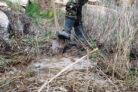
If individual plants start popping up again, grab a weeding tool and dig them out immediately. Be gentle! You want to avoid snapping the roots, because even a tiny piece left behind can grow into a brand-new plant.
Proper Lawn Care is Your Best Defense
Quackgrass usually moves in when your lawn is stressed or thinning out. Those bare patches are basically an open invitation for weeds to set up shop.
Here is how you can keep your grass thick and weed-free:
- Water during dry spells. This prevents the grass from dying back and creating gaps.
- Mow regularly, but don’t scalp it. Keeping your grass at a healthy height helps shade the soil.
- Fertilize and dethatch at least twice a year to keep your turf strong and competitive.
Pro Tip: Using lawn edging or root barriers can help stop quackgrass from creeping into your yard from the outside. This is a lifesaver if your property borders a field or a wild meadow!