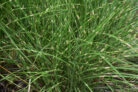
Miscanthus, commonly known as Maiden Grass or Silvergrass, has been a top-tier decorative grass in American gardens for years. But don’t let its beauty fool you—this plant spreads underground via rhizomes and can quickly become a headache if you don’t use a root barrier.
Annual Growth Habits
Miscanthus (sometimes called Elephant Grass) is a hardy perennial native to East Asia. Lately, it’s even been making headlines as a biomass fuel source because it grows incredibly fast. In the right conditions, those stalks can tower up to 13 feet high!
To support that kind of height, the plant develops a massive root system. We’re talking roots that can dive up to 8 feet deep into your soil. Plus, because it spreads through rhizomes, the base of the plant can expand its diameter by about 2 inches every single year.
Pruning to Manage Growth
One way to keep that outward spread in check is regular pruning. You’ll want to cut back your Elephant Grass in either late winter or very early spring before the new growth starts.
The stalks are surprisingly tough, and you need to cut them close to the ground. A standard pair of hand pruners usually won’t cut it; you’ll likely need loppers or even an electric hedge trimmer to get the job done.
Digging Up Miscanthus
Because of those deep roots, digging up Miscanthus is a real workout. If you’re planning to remove it entirely, cut it back but leave enough stalk length to use as a “handle.” Then, grab a heavy-duty garden fork and get to work. Fair warning: I’ve seen plenty of wooden-handled tools snap under the pressure because these roots hold onto the earth like crazy.
Try to get as many roots out as possible, but don’t beat yourself up if you miss some—it’s almost impossible to get every bit on the first try. It often takes a couple of years to fully eradicate it. Pro tip: After digging, cover the area with a heavy pond liner for at least a year to smother any remaining rhizomes and stop them from spreading.
Planting with a Root Barrier
Because of its aggressive rhizome growth, I highly recommend that you only plant Miscanthus with a rhizome barrier. Alternatively, it grows great in large containers. Just keep in mind that you’ll need to divide the plant regularly, as it will outgrow even a large pot faster than you’d think!