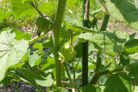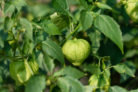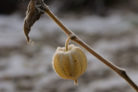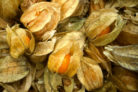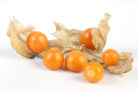
Physalis berries are such a treat—they’ve got that perfect balance of tangy and fruity, and if you give them the right spot in your garden, they develop a lovely hint of sweetness. The best part about growing them yourself? You get to pick them exactly when they’re at their peak ripeness.
The Exotic Husk Tomato
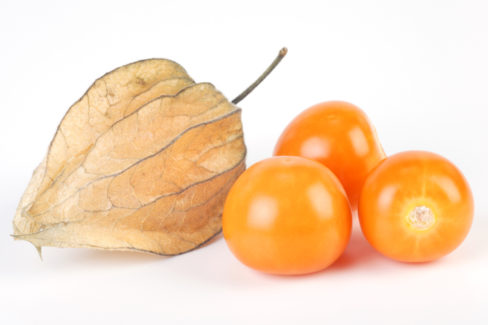
“Physalis” is the botanical name for what many of us call the husk tomato or ground cherry, named for that unique, papery “bladder” that wraps around the fruit. They belong to the nightshade family, which means they’re distant cousins to your garden-variety peppers and tomatoes. If you’re planning on growing your own Physalis, just remember they love the same things their cousins do: plenty of warmth and rich, nutrient-dense soil.
There are actually about 90 different species of Physalis out there, but keep in mind that not all of them are edible!
The most popular edible varieties you can grow in a temperate climate are:
- Cape Gooseberry (Physalis peruviana)
- Pineapple Cherry or Ground Cherry (Physalis pruinosa)
You might also come across the Tomatillo (Physalis philadelphica). While it’s in the same family and looks like a giant version of its cousins, it isn’t sweet at all. Even though it’s technically a berry, we usually treat the tomatillo like a vegetable in the kitchen.
When to Harvest
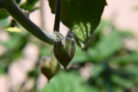
Cape gooseberries and ground cherries look pretty similar, though they vary in size. Here’s the golden rule for harvesting: the fruit is only truly ripe once it falls off the plant on its own. Don’t try to rush things by picking them early, because Physalis won’t ripen after being picked. If you harvest them while they’re still green, they’ll stay that way—the flavor and color won’t improve no matter how long they sit on your counter.
To keep your berries from landing in the dirt, I recommend laying down a nice mulch of straw around the base of your plants. As the straw slowly breaks down, it feeds the soil. Plus, it keeps the ground moist and provides a soft, clean “landing pad” for those ripe berries to drop onto.
Storage Tips
Once the berries have fallen, try leaving them outside for another three or four days before bringing them in. You can just gather them into a little pile near the plant. This short “outdoor curing” time really boosts the flavor. It’s not that they’re ripening more, but rather they lose a little moisture, which concentrates the natural sugars and makes them taste much sweeter.
Always store the berries inside their papery husks. Since the berry hangs freely inside, it stays protected from bruises. You can keep them like this for several days, but make sure to keep them at room temperature. Putting them in the fridge can actually dull that bright, tropical flavor. They don’t stay fresh forever, though—aim to eat or process them within about a week!