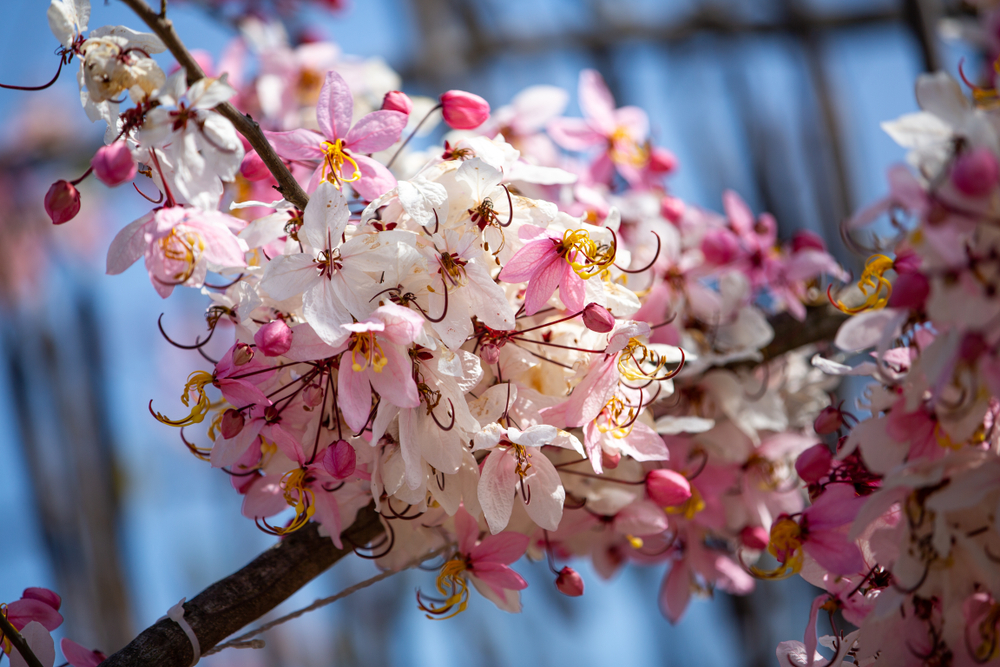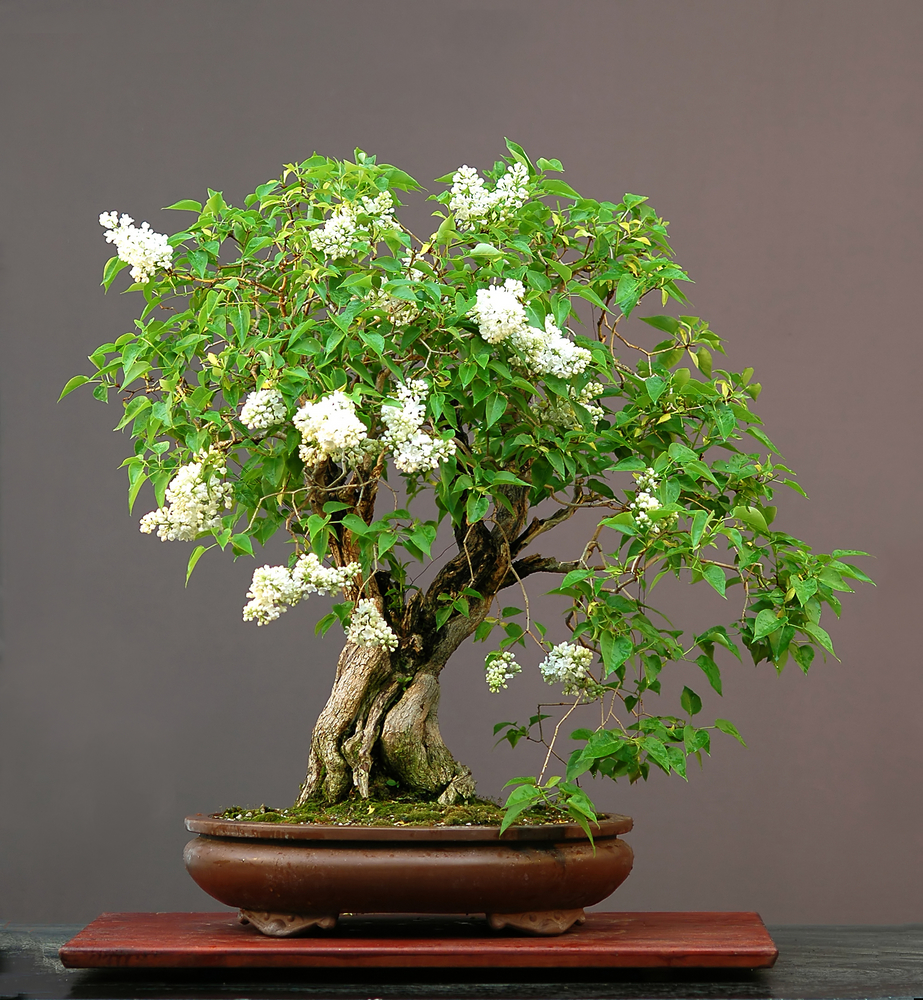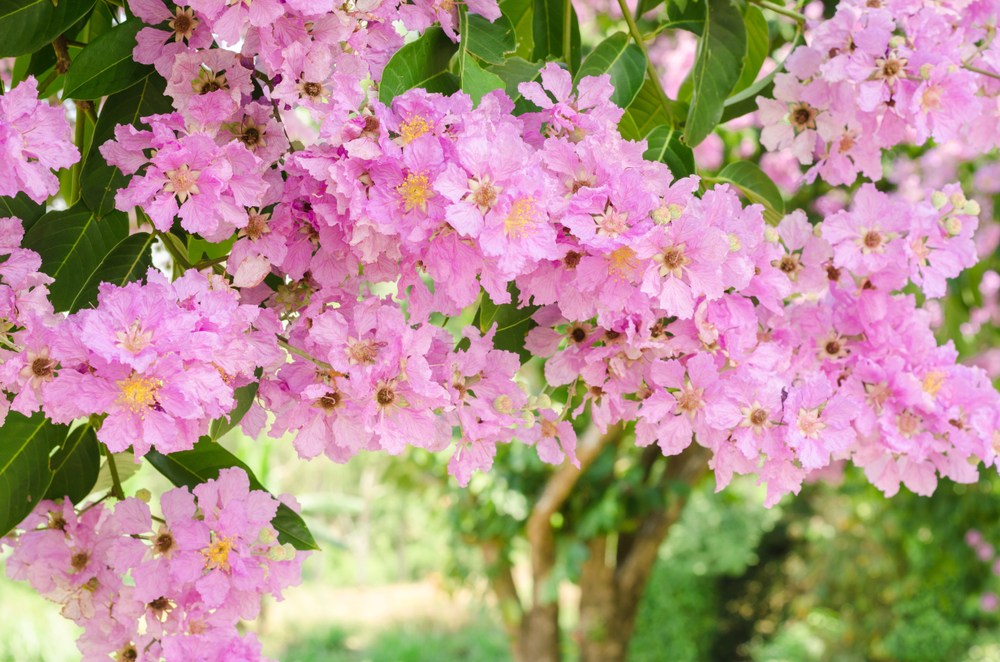
Despite the name, the Crape Myrtle (also known as the “Lilac of the South”) isn’t actually related to your standard Common Lilac (*Syringa*). The only thing they really share is those gorgeous, long flower clusters. Since these beauties love the heat, most of us grow them in containers to keep them happy. Here’s the lowdown on how to keep yours thriving.
Care and Overwintering
Unlike the Common Lilac, the Crape Myrtle is a bit of a water lover and doesn’t handle drought very well. If the soil gets too dry, it’ll start dropping its flower buds—and nobody wants that! Make sure to water it regularly, but keep an eye out for standing water. A pot with great drainage is key here.
You’ll want to keep up a steady watering schedule from the time it starts budding until it’s time to tuck it in for the winter. During its winter dormancy, you can pretty much put the watering can away, only giving it a tiny bit if absolutely necessary. These plants are definitely not fans of the cold and won’t survive a frost. Once the temperature drops, move your pot to a dark, frost-free spot indoors. Don’t panic when it drops its leaves—that’s totally normal for its winter nap!
Once the danger of frost has passed (usually around May), your Crape Myrtle is ready to head back outside. To give it a head start on the growing season, try moving it to a bright, warm spot indoors starting in April to “wake it up.”
Sun, Pruning, and Fertilizer
The Crape Myrtle is a total sun-worshiper. It needs direct sunlight, plenty of heat, and a spot that’s protected from the wind. If you can place it against a light-colored wall that reflects heat, it’ll love you for it. If the weather stays cold and rainy, the shrub might struggle a bit and delay its blooming. But when the conditions are just right, it’ll reward you with a stunning display of flowers from July all the way into October.
Once the leaves have fallen off for the season, it’s time for a heavy pruning. This is a must-do every year because Crape Myrtles only bloom on new growth. Cutting it back hard ensures you get that spectacular floral show next summer.
As for food, a little fertilizer goes a long way. Use a liquid flower fertilizer in your watering can about once a month from April through September. Finally, plan on repotting your Crape Myrtle with fresh soil about every three years to keep the roots happy and healthy.