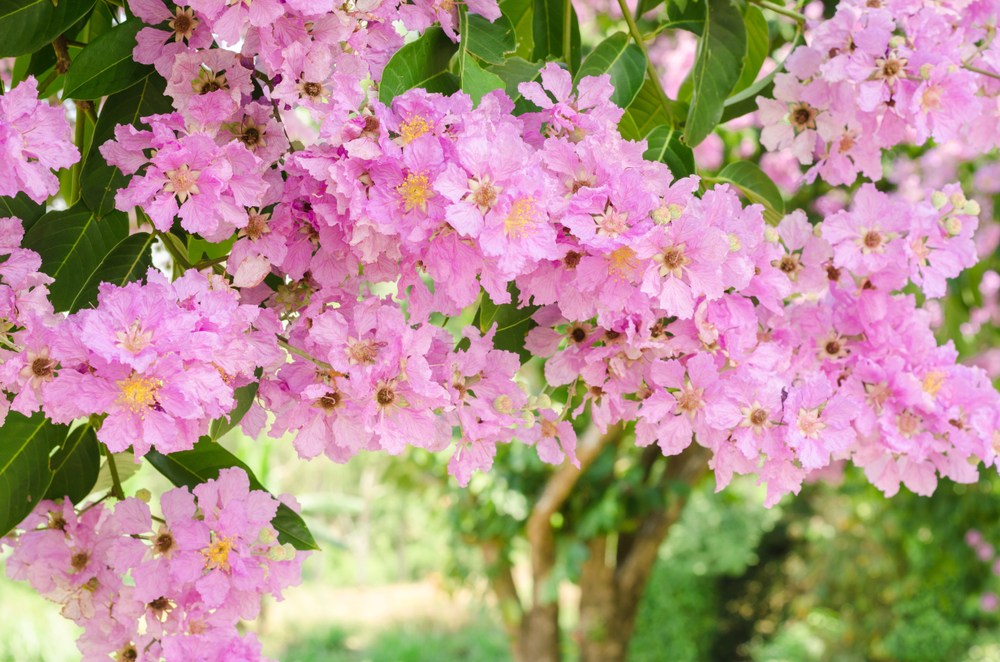
The Crape Myrtle, often called the “Lilac of the South,” definitely gives off those classic lilac vibes, but it’s actually its own unique species. If you want this beauty to reach its full potential with a massive explosion of blooms, a little annual haircut is non-negotiable.
When to Prune Your Crape Myrtle
You’ve got a couple of options here. One popular choice is late fall, right before the first frost hits. Since most of us grow these in pots and need to move them indoors for the winter, pruning after the flowers drop is a total space-saver. Just give those leafless branches a generous trim, and your “Lilac of the South” will fit much more easily into its frost-free winter home.
On the other hand, you can wait until early spring. Once you bring the plant out of its winter quarters, go ahead and do your pruning then. After the trim, move it to a nice warm spot to give it a head start on the growing season.
How to Prune Like a Pro
Unlike common lilacs, Crape Myrtles can be a bit picky—if you don’t prune them, they might get stubborn about blooming. That’s because they only produce flowers on “new wood” (the fresh growth from the current year). No pruning means no new shoots, which means no flowers!
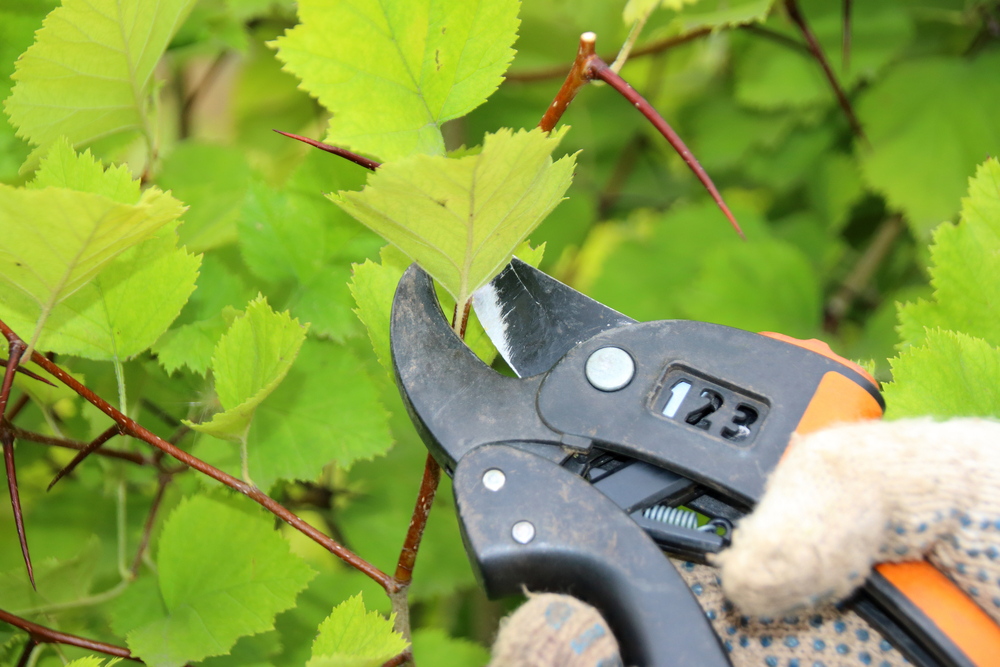
Grab a pair of sharp bypass pruners for the job. I can’t stress this enough: make sure they are actually sharp so you get clean, smooth cuts. Ragged edges are basically an open invitation for pests and diseases. For extra credit, wipe your blades down with some rubbing alcohol or disinfectant first. It’s a simple way to make sure you aren’t accidentally spreading fungi or other nasty pathogens from plant to plant.
For the first three years, you’ll want to cut the plant back pretty hard—almost to the base. This encourages a strong, bushy foundation. Once the plant is established, a yearly “rejuvenation” is all it needs. Start by clearing out any dried-up wood or branches that are crossing over each other. Then, head back to those young shoots from last year and trim them down, leaving just a few buds on each stem.