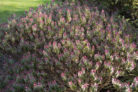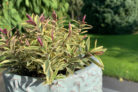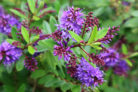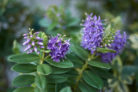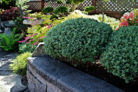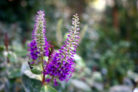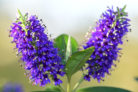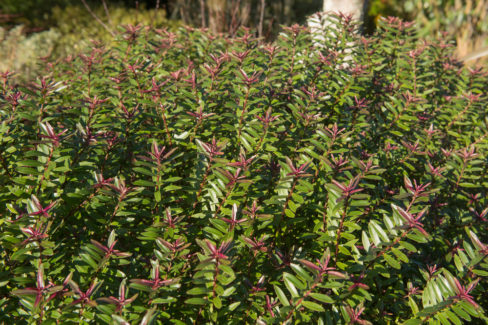
The Shrubby Veronica, also known as Hebe, is a New Zealand native that belongs to the Speedwell family. These attractive perennials are a favorite for home gardens thanks to their gorgeous blooms. However, if you’re planning on adding them to your landscape, you’ll need to keep a close eye on the thermometer—these beauties definitely need a little extra TLC to make it through the winter.
Finding the Perfect Spot: Light and Soil Requirements
Before you get your hands dirty and start planting, it’s important to make sure your garden meets the Hebe’s specific needs. You might need to tweak your soil or location a bit to keep them happy. Ideally, your Hebe should be planted in a spot that is:
- Bright to partially shaded
- Protected from harsh, direct midday sun
- Sheltered from strong winds
- Kept relatively cool during the peak of summer
Beyond just the location, the soil quality is a total dealbreaker. Hebes prefer a pH level between 5.8 and 6.5. Look for soil that is:
- Well-draining
- Consistently moist (but never waterlogged!)
- Slightly acidic
- Low in lime/calcium
- A bit sandy
Growing Hebe in Containers
If you’re short on garden space, you’re in luck—Hebes do fantastic in pots! For the perfect potting mix, try blending standard potting soil with some lava granules and a bit of sand. Coconut coir is another great addition. The most important thing is drainage; I always recommend adding a layer of broken terracotta shards or pebbles at the bottom of the pot to prevent “wet feet.” Once planted, tuck your container into a semi-shaded spot that’s out of the wind.
Winter Care for Your Hebe
Here’s the catch: Hebes are pretty sensitive to the cold. Once temperatures dip to around 23°F (-5°C), they can start to suffer. If you’re growing them in containers, the easiest solution is to move them to a bright, cool, but frost-free indoor spot for the winter. Unheated sunrooms, greenhouses, bright hallways, or even a cool bedroom work perfectly.
If you live in a region with mild winters, you might be able to keep your Shrubby Veronica outdoors year-round. Just make sure you give it a “winter coat.” Start by giving the plant a very light trim in the fall. Then, cover the ground around the base with a thick layer of mulch—fallen leaves or your last grass clippings of the season are perfect for this. You should also cover the plant itself with evergreen boughs or brushwood. Come spring, right before the new growth starts, give it a more thorough pruning. Remove any dead stems and shape the plant into a compact form to encourage a lush, healthy flush of new leaves.