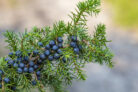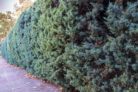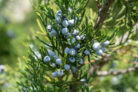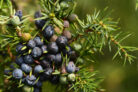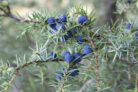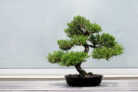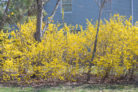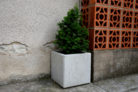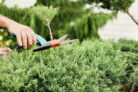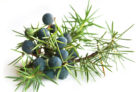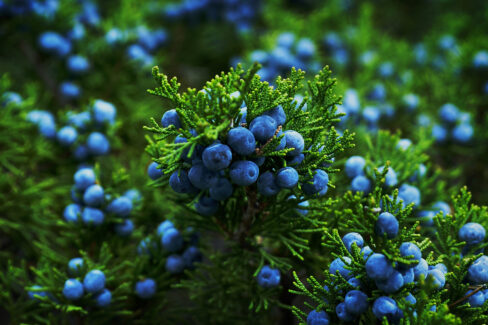
Juniper isn’t just a great addition to your flower beds; these hardy evergreens also thrive as privacy hedges or as statement pieces in patio containers. If you’re looking to add some greenery to your space, here’s everything you need to know about getting your juniper off to a great start.
So Many Ways to Use Juniper
One of the best things about juniper is how incredibly versatile it is. Thanks to its tough-as-nails nature, it’s low-maintenance and can handle a variety of spots in your yard. You’ll often see juniper used:
- As a standalone focal point in the garden,
- To add texture to rock gardens or gravel beds,
- As a thick, evergreen privacy screen,
- To help stabilize slopes or hillsides,
- Or even in large pots and balcony planters.
When is the Best Time to Plant?
If you’re planning to add juniper to your landscape, spring is the ideal time. This gives the plant plenty of months to establish a strong root system before the winter chill sets in. That said, you can also plant in the fall. Just keep an eye on young plants if a hard frost is in the forecast. While mature junipers are very cold-hardy, “newbies” have shallower roots that might need a little extra protection during their first winter.
Finding the Perfect Spot
Juniper isn’t too picky about its location, but it definitely has a preference. It will grow in partial shade, but here’s the golden rule: the more sun it gets, the happier and faster it grows. Avoid planting it in deep, permanent shade, as it really craves that sunlight to stay lush.
As for the soil, think “well-draining.” Juniper hates having “wet feet,” so loose, sandy, or rocky soil is perfect. It even does well in alkaline or lime-rich soil, as long as the water can drain away easily.
How to Plant Your Juniper
Before you dig, give your juniper a good soak by placing the root ball in a bucket of water for a bit. This ensures the roots are fully hydrated before they go into the ground. Dig your hole about twice as wide as the root ball. To help with drainage, you can mix a little peat moss into the soil you dug out before backfilling and lightly tamping it down.
Once it’s in the ground, make sure to water your new plant regularly to help those roots settle in. Just remember—moist is good, but soggy is bad!
Spacing it Out
Give your juniper some breathing room! These plants aren’t the most aggressive competitors, so they can easily get “bullied” by the roots of larger, more established trees.
If you’re planting a single specimen, leave about 2 to 3 feet of space between it and its neighbors. If you’re planting a juniper hedge, a spacing of about 28 inches (70 cm) is the sweet spot. This gives the plants enough room to grow healthy while still filling in enough to create that beautiful, dense privacy screen you’re looking for.