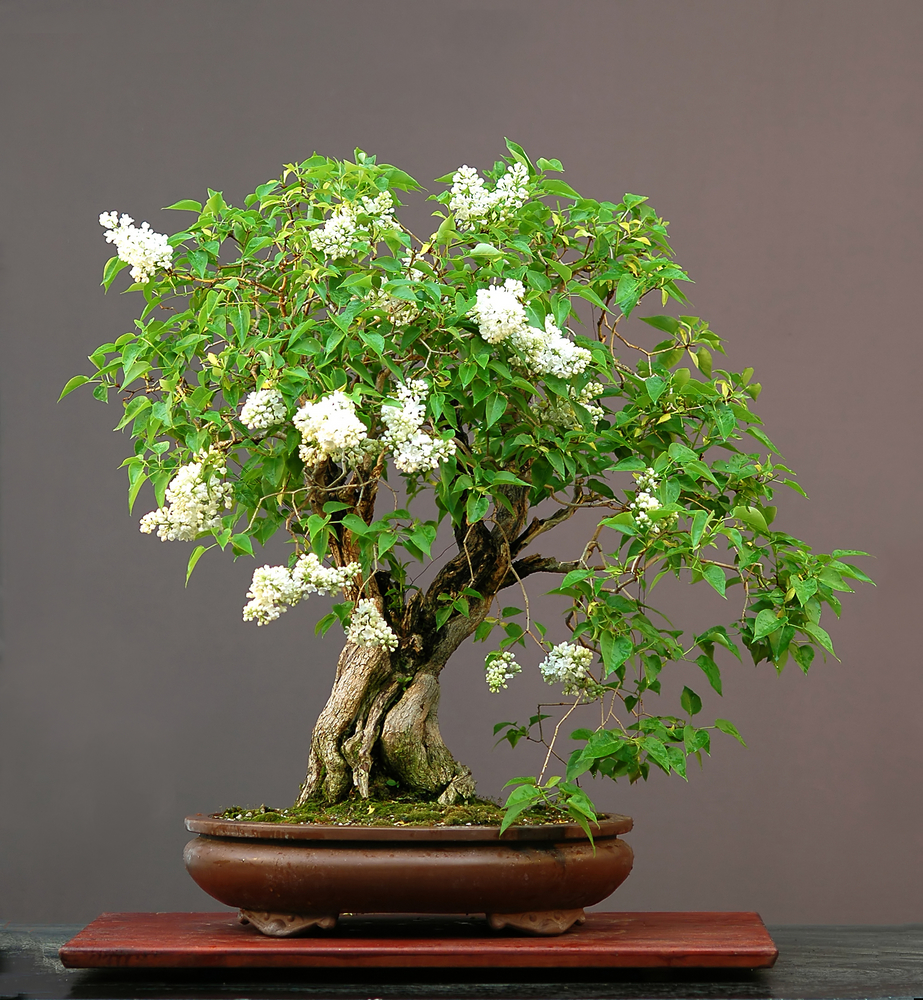
Lilacs are easily some of the most beloved ornamental shrubs out there, and they’re a staple in gardens across the country. It’s easy to see why—they aren’t just a feast for the eyes (especially during their peak bloom), but they’re also incredibly low-maintenance. And here’s a pro tip: they actually make fantastic bonsai trees!
Lilac Varieties Perfect for Bonsai
Technically, you can train almost any lilac variety into a bonsai. However, keep in mind that some species can tower up to 12 feet high, which makes them a bit of a headache to manage in miniature form. Your best bet is to stick with smaller varieties that naturally top out around six feet. These are much easier to prune and shape. Some of my favorites include:
- Dwarf Korean Lilac *Syringa meyeri “Palibin”*
- Manchurian Lilac *Syringa patula “Miss Kim”*
- Chinese Lilac *Syringa chinensis “Saugeana”*
To keep your lilac bonsai thriving for years to come, you’ll need the right pot and high-quality nutrients. Because these guys are pretty fast growers, plan on repotting them at least every two years to give those roots some breathing room.
Care and the Perfect Spot
Even though your lilac is living in a pot, it’s definitely an “outdoorsy” plant. It needs to be in the garden, on a balcony, or on a patio to survive—keeping a lilac as an indoor houseplant just won’t work long-term. Look for a sunny spot with plenty of good airflow.
One thing to watch out for: lilacs aren’t big fans of “wet feet.” Be careful not to overwater, and try to place the pot somewhere it won’t get totally drenched during heavy rain. Use a well-draining, slightly alkaline soil mix, and I highly recommend adding a drainage layer at the bottom of the pot.
Shaping Your Lilac Bonsai
The best time to give your lilac a structural prune is right after it finishes blooming. This way, you can deadhead the spent flowers at the same time. When pruning, cut the new shoots back to just one or two leaves. Also, whenever you repot the plant, make sure to give the roots a little trim as well.
If you want to get specific with the shape, you can use wiring. The best time for this is starting in mid-July, but stick to the young shoots. Older or very thin branches aren’t flexible enough and will snap before they bend. For the most natural look, lilacs look stunning in an upright style or as a multi-trunk “clump” style.