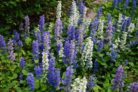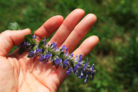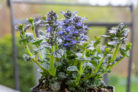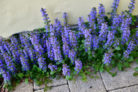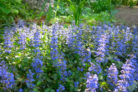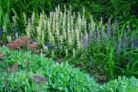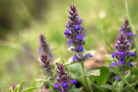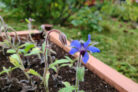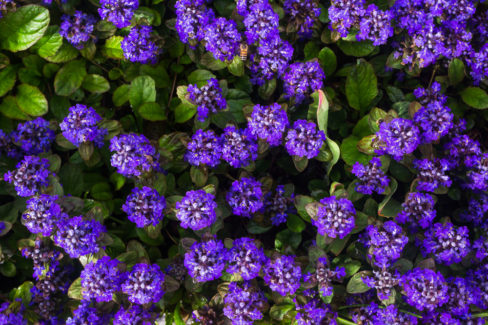
Meet the Bugleweed (also known as Carpet Bugle)—a charming member of the mint family that’s as tough as it is pretty. In the wild, you’ll spot this low-growing beauty spreading across sunny meadows, dappled forest edges, and open woodlands throughout Europe, North Africa, and even parts of Iran.
Quick Facts
Scientific Name: Ajuga reptans
Common Names: Bugleweed, Carpet Bugle, Blue Bugle
Growth Habit: Herbaceous groundcover
Height: 4 to 12 inches
Perennial: Yes
Hardiness: Fully winter-hardy
Toxicity: Non-toxic
Flower Shape: Whorled spikes
Flower Colors: Blue, pink, or white
Uses: Ornamental groundcover and medicinal herb
Harvest Season: May to June (flowers)
Planting Your Bugleweed
When picking the perfect spot in your garden, Bugleweed is happiest in full sun to partial shade. Be careful with deep shade, though—without enough light and airflow, it can be prone to powdery mildew. For the best results, give it soil that is nutrient-rich, well-draining, and stays moderately moist.
An Edible Addition to the Kitchen
Did you know Bugleweed is completely edible? You can use the leaves and stems as a savory seasoning for stews and casseroles, but a little goes a long way! It has a distinct bitter note, similar to chicory, that can easily overpower a dish if you’re too heavy-handed. The flowers, on the other hand, are much milder. They’re fantastic tossed into a fresh salad or used as a gorgeous, edible garnish for desserts.
Natural Healing Properties
As a medicinal herb, Bugleweed has a long history of helping with digestive issues. Thanks to its antibacterial and anti-inflammatory properties, it’s often used to soothe heartburn, stomach ulcers, or irritations in the mouth and throat. It also has a calming effect, making it a great addition to “sleepy time” tea blends. For external use, Bugleweed tinctures can be added to bathwater or used to help with wound healing. If you’re planning to harvest your own, the best time to do it is during its blooming season.