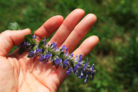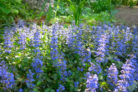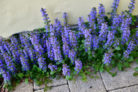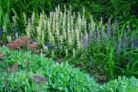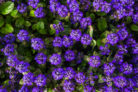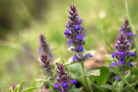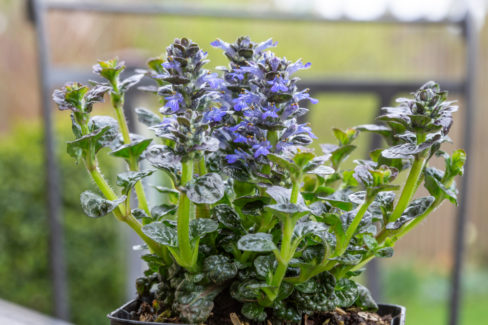
When it comes to eating bugleweed (also known as Ajuga), the first thing you should know is that there are about 65 different species out there. While none of them are actually poisonous, only three are really considered “edible” for your kitchen experiments. Even then, a little goes a long way—this plant packs a punch in the flavor department, so you’ll want to use a light hand!
The Edible Varieties
If you’re looking to forage or harvest from your garden, these are the three species you’re looking for:
- Common Bugle / Carpet Bugle (Ajuga reptans)
- Pyramidal Bugle (Ajuga pyramidalis)
- Yellow Bugle / Ground Pine (Ajuga chamaepitys)
Common Bugle (Ajuga reptans)
Common Bugle is a classic native plant that has been used as both a culinary herb and a medicinal remedy for ages. If you’re planning to toss some into a soup or a casserole, keep in mind that it has a very strong, bitter profile—think along the lines of chicory. My advice? Start with just a pinch so it doesn’t overpower your dish. That bitterness is mostly in the leaves and stems, though. The flowers are actually much milder and make a beautiful, edible garnish for desserts!
Pyramidal Bugle
The Pyramidal Bugle is more of a mountain dweller, naturally found in the Alps and the high-altitude regions of Southern Europe. Just like its cousin, it’s quite potent, so use it sparingly when seasoning your meals. Beyond the kitchen, it’s often used in traditional herbal medicine to help with metabolism issues or to support wound healing.
Yellow Bugle
While most bugleweeds show off pretty violet or blue flowers, the Yellow Bugle lives up to its name with bright yellow blooms. It originally hails from the Mediterranean but has been growing in other parts of Europe for a long time. However, it’s become quite rare in the wild and is actually on the “red list” (endangered) in many areas. That means if you spot it out in nature, leave it be—foraging wild Yellow Bugle is a big no-no!