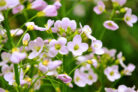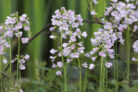
In early spring—often as early as April—you’ll start seeing Cuckooflower popping up in damp meadows, woodlands, along roadsides, and even right on your lawn or near the garden pond. With its delicate stems and tiny blossoms, this wild herb might look a bit unassuming at first glance. But don’t let that fool you! Once you get to know its profile, you’ll see it’s actually quite special.
The Plant Profile
Cuckooflower (botanical name *Cardamine pratensis*) is a member of the mustard family. Depending on where you live, you might also hear it called Lady’s Smock or Mayflower. It loves moisture, so you’ll primarily find it in damp meadows, near streams, and on soggy patches of grass. Here’s a quick breakdown of what this little plant needs and offers:
- Location: Sunny to partially shaded spots
- Soil: Nutrient-rich, loamy, and consistently moist
- Ideal Habitats: Damp meadows, floodplains, creek banks, pond edges
- Bloom Time: Starting in April; it’s an important early food source for bees
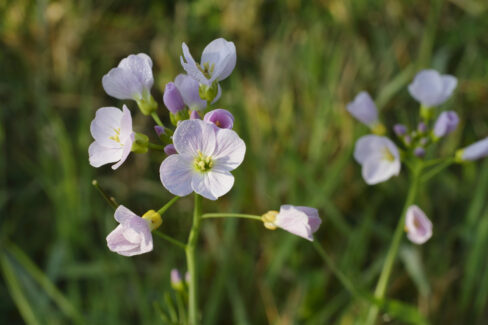
- Flowers: Cluster-like blooms on long stems; four petals in shades of white, pink, or pale violet
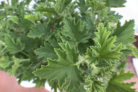
- Leaves: Delicate and thin, growing from a basal rosette at ground level in a pinnate pattern
- Toxicity: Non-toxic, but should still be used in moderation to avoid potential side effects
- Uses: As a culinary herb and a medicinal plant
- Edible Parts: Leaves, flowers, buds, seeds, and young shoots
The Healing Power of Cuckooflower
The medicinal benefits of Cuckooflower come from its wide array of nutrients, including iron, glycosides, magnesium, and sulfur. It also contains mustard oil glycosides, bitters, and essential oils that act as a natural stimulant for digestion and metabolism. When used correctly, this herb can help soothe various ailments, such as:
- Diabetes
- Bronchitis
- Digestive issues
- Anemia
- Gallbladder problems
- Liver weakness
- Gout
- Skin conditions
- Menstrual cramps
If you’re feeling that classic “spring fatigue,” a tea made from Cuckooflower can give you a nice pick-me-up while boosting your metabolism. It’s also known to have a positive effect on diabetes and bronchitis. Plus, it boasts antibacterial, calming, blood-purifying, and expectorant properties. Just a heads-up, though: don’t go overboard. Consuming large amounts can irritate the stomach and kidneys, so enjoy it in small doses.
How to Use It
Cuckooflower is a fantastic addition to your kitchen repertoire. It has a slightly peppery kick, very similar to garden cress. This spicy flavor works wonders in soups and salads. If you want to elevate a simple piece of bread and butter, try topping it with some finely chopped leaves. The flowers also make a beautiful, edible garnish for salads, savory herb dips, or party platters.